

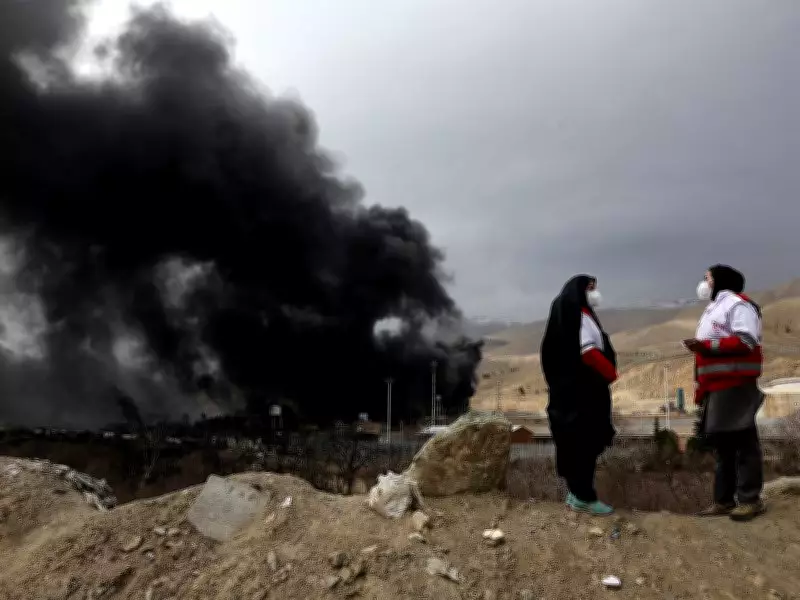
Massive Civilian Infrastructure Damage Reported in Iran Following US-Israeli Airstrikes
In a startling revelation, the Iranian Red Crescent Society has reported that recent airstrikes conducted by the United States and Israel have caused extensive damage to civilian infrastructure across Iran. According to their latest assessments, over 19,000 civilian buildings have been severely impacted, highlighting a significant escalation in the ongoing regional conflicts.
Scope of the Destruction
The airstrikes, which targeted various locations within Iran, have left a trail of devastation that extends far beyond military installations. The Red Crescent's detailed surveys indicate that the affected structures include:
- Residential homes and apartments, many of which have been rendered uninhabitable.
- Commercial buildings and marketplaces, disrupting local economies and livelihoods.
- Educational institutions and healthcare facilities, compromising essential services for communities.
- Public infrastructure such as roads and utilities, further complicating recovery efforts.
This widespread damage underscores the collateral impact of military operations on non-combatant populations, raising urgent questions about adherence to international humanitarian laws.

Humanitarian Implications and Regional Tensions
The scale of the destruction has prompted serious humanitarian concerns. The Red Crescent, as a key relief organization, is now mobilizing resources to assist displaced families and repair critical infrastructure. However, the sheer number of damaged buildings—exceeding 19,000—poses a monumental challenge for recovery operations.
These airstrikes occur against a backdrop of heightened tensions in the Middle East, with Iran often at the center of geopolitical disputes involving nuclear ambitions and regional influence. The involvement of both US and Israeli forces suggests a coordinated effort, potentially signaling a shift in military strategies aimed at curbing Iranian activities.
Experts warn that such extensive civilian damage could exacerbate existing conflicts, fueling resentment and instability across the region. The international community is closely monitoring the situation, with calls for de-escalation and greater protection of civilian assets in conflict zones.
Looking Ahead: Recovery and Accountability
As Iran grapples with the aftermath, the focus turns to rebuilding efforts and accountability. The Red Crescent's report serves as a critical document for assessing the human cost of these airstrikes, emphasizing the need for:
- Immediate humanitarian aid to support affected communities and restore basic services.
- Transparent investigations into the targeting protocols used during the strikes to ensure compliance with international norms.
- Diplomatic dialogues to address the root causes of the conflict and prevent further civilian harm.
This incident highlights the fragile balance between military objectives and civilian safety in modern warfare, urging a reevaluation of strategies to minimize collateral damage in future operations.






