

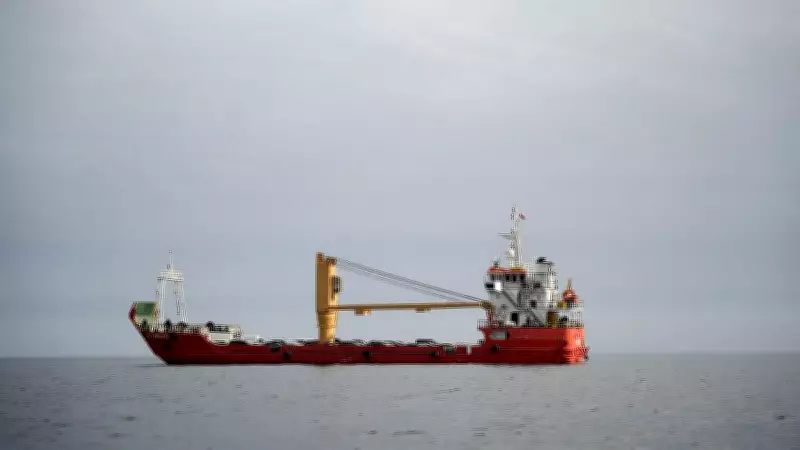
US Naval Blockade of Iran: A Critical Threat to Global Oil Stability
The prospect of a United States naval blockade targeting Iran has emerged as a significant geopolitical flashpoint, raising alarms about potential disruptions to global oil flows and energy security. Such a military action, if implemented, could severely restrict Iran's ability to export crude oil through key maritime chokepoints like the Strait of Hormuz, a vital artery for approximately one-fifth of the world's oil supply. This scenario threatens to trigger a sharp spike in oil prices, exacerbate inflationary pressures, and destabilize energy markets already grappling with volatility from ongoing conflicts and supply chain challenges.
Potential Impact on Oil Production and Exports
Iran, as a major oil producer with exports averaging around 1.5 million barrels per day, plays a crucial role in the global energy landscape. A US naval blockade would likely aim to enforce sanctions and curb Tehran's oil revenues, but it could also lead to unintended consequences. The blockade might force Iran to halt or significantly reduce its oil shipments, creating a supply deficit that other producers, such as Saudi Arabia or the United States, may struggle to offset quickly. This could result in a tightening of global oil inventories and increased price volatility, affecting economies dependent on affordable energy imports.
Geopolitical Ramifications and Regional Tensions
The implementation of a naval blockade would escalate tensions in the Middle East, potentially drawing in regional actors and heightening the risk of broader conflict. Iran has historically threatened to close the Strait of Hormuz in response to such actions, which could further disrupt oil flows and amplify global economic risks. Additionally, this move might strain US relations with allies who rely on stable oil supplies from the region, prompting diplomatic efforts to mitigate fallout. The blockade could also influence OPEC+ dynamics, as member states navigate the balance between market stability and geopolitical pressures.

Economic Consequences for Global Markets
From an economic perspective, a disruption in Iranian oil exports due to a blockade could lead to higher fuel costs worldwide, impacting industries, transportation, and consumer spending. Emerging markets, in particular, might face heightened vulnerability due to their reliance on imported oil. Financial markets could experience increased uncertainty, with oil prices potentially surging by 10-20% or more in the short term, according to some analysts. This scenario underscores the interconnectedness of global energy systems and the need for contingency planning among nations to address supply shocks.
Long-Term Implications for Energy Security
In the long run, a US naval blockade of Iran might accelerate shifts toward alternative energy sources and greater energy independence among consuming countries. However, it could also reinforce the strategic importance of maritime security in oil transit routes, prompting increased military presence and cooperation in regions like the Persian Gulf. The blockade's success or failure would depend on international compliance and enforcement, highlighting the complex interplay between geopolitics, economics, and energy policy in shaping global oil flows.






