

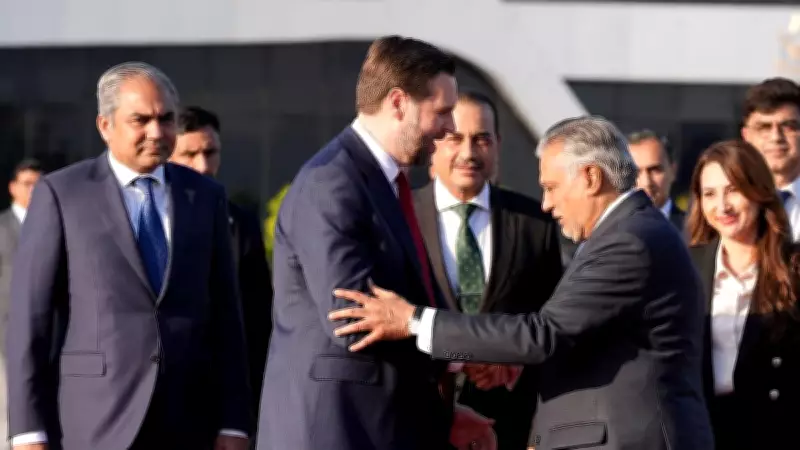
US Proposed 20-Year Nuclear Suspension to Iran in Marathon Islamabad Talks
As details slowly surface from the recent high-stakes negotiations in Islamabad, it has been revealed that the United States put forward a proposal for a 20-year 'suspension' of Iranian nuclear activity. This development comes from people familiar with the matter, who disclosed that the US position did not advocate for a permanent ban on nuclear enrichment by Iran. Instead, the proposal aimed at a temporary halt, marking a significant shift in diplomatic strategy.
21-Hour Marathon Negotiations Unveil Key Positions
The talks, which spanned an intense 21 hours, were described as a marathon effort to bridge longstanding gaps between the two nations. Sources indicate that the US delegation, led by senior diplomats, presented the 20-year suspension plan as a compromise to ease tensions and prevent further escalation in the region. This proposal underscores Washington's attempt to find a middle ground while addressing international concerns over Iran's nuclear program.
In response, Tehran countered with a much shorter timeframe, suggesting a mere 5-year suspension. This stark contrast in proposals highlights the deep-seated disagreements that have plagued negotiations for years. Iranian officials emphasized their right to peaceful nuclear energy under international treaties, while the US focused on non-proliferation safeguards.

Not a Permanent Ban: Clarifying the US Stance
According to insiders, the US explicitly clarified that its proposal was not intended as a permanent prohibition on Iran's nuclear enrichment capabilities. This nuance is crucial, as it reflects a potential willingness to allow some level of nuclear activity in the future, provided certain conditions are met. The 20-year suspension would involve rigorous monitoring and verification mechanisms to ensure compliance with international standards.
The discussions also touched upon broader geopolitical issues, including sanctions relief and regional security. Both sides reportedly engaged in frank exchanges, with the US highlighting the need for transparency and Iran stressing sovereignty and economic considerations. The marathon nature of the talks suggests a high level of commitment from both parties, even as fundamental differences remain unresolved.
Implications for Middle East Diplomacy
This development has significant implications for Middle East diplomacy and global non-proliferation efforts. The US proposal, if accepted, could pave the way for a temporary de-escalation, but Tehran's counteroffer indicates a reluctance to commit to long-term restrictions. Experts note that the outcome of these talks could influence future negotiations and set a precedent for how nuclear disputes are handled in the region.
As the world watches closely, the Islamabad talks represent a critical juncture in US-Iran relations. The detailed revelations from the 21-hour session provide a glimpse into the complex dynamics at play, with both nations navigating a delicate balance between national interests and international obligations. Further updates are expected as more information becomes available from diplomatic channels.






