US Military Strikes Iran in Retaliation for Ship Attacks
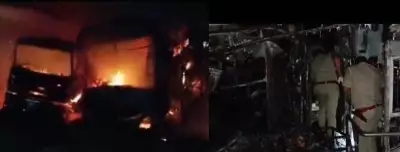
The United States launched powerful military strikes against Iranian targets on July 8, 2026, in response to attacks on three commercial vessels in the strategically vital Strait of Hormuz. According to the Pentagon, the strikes targeted Iranian naval facilities and missile sites used to coordinate the assaults on the ships.
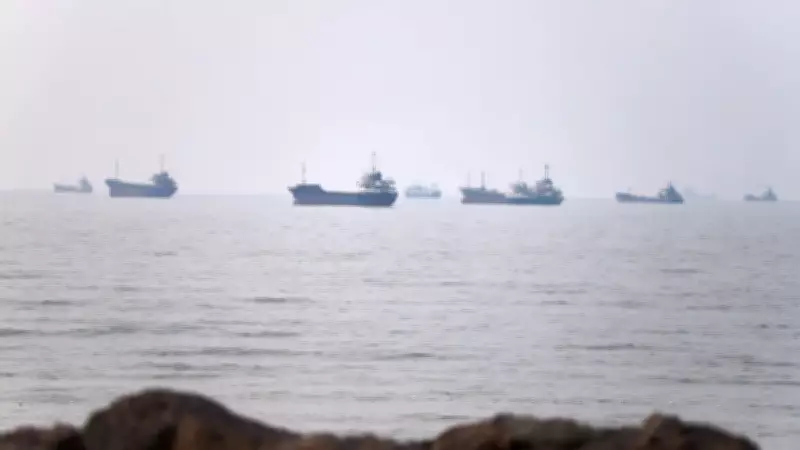
The attacks on the commercial vessels occurred earlier this week, with two oil tankers and one container ship hit by drones and missiles. No casualties were reported, but the ships sustained significant damage, prompting the US to respond swiftly.
Details of the US Strikes
The US military deployed B-52 bombers and fighter jets from aircraft carriers in the Persian Gulf, striking over 20 targets including radar installations, missile launchers, and naval bases along Iran's southern coast. A senior US defense official stated, "These strikes were precise and proportionate, aimed at degrading Iran's ability to threaten commercial shipping in the region."

Iranian state media reported explosions near the port city of Bandar Abbas, but claimed that most missiles were intercepted. Iran's Foreign Ministry condemned the strikes, calling them "a blatant act of aggression" and warning of "severe consequences."
Impact on Global Oil Markets
The Strait of Hormuz, through which about 20% of the world's oil passes, saw a sharp spike in oil prices following the strikes. Brent crude jumped by 8% to $95 per barrel, raising concerns about global energy supplies. The US Navy has increased patrols in the strait to ensure safe passage for commercial vessels.
International shipping companies have begun rerouting vessels away from the strait, adding costs and delays. The US State Department urged all nations to condemn Iran's actions and support freedom of navigation.
Diplomatic Reactions
The United Nations Security Council held an emergency session, with the US calling for a resolution to condemn Iran's attacks. Russia and China blocked the resolution, accusing the US of escalating tensions. Iran's UN ambassador denied involvement, claiming the attacks were carried out by "proxy groups" beyond Tehran's control.
"The US has once again chosen war over diplomacy," said Iran's ambassador. "We reserve the right to defend our sovereignty."
The European Union urged restraint from both sides and offered to mediate. However, the US has ruled out negotiations until Iran ceases its "hostile actions" in the strait.
Regional Security Concerns
The strikes have heightened fears of a broader conflict in the Middle East. Saudi Arabia and the United Arab Emirates have expressed support for the US action, while Iraq and Qatar called for de-escalation. Israel's Prime Minister praised the US for "taking decisive action against the Iranian terror regime."
Iran's military has been placed on high alert, and its navy has begun conducting exercises in the Persian Gulf. Analysts warn that the situation could spiral into a prolonged confrontation if diplomatic channels remain closed.