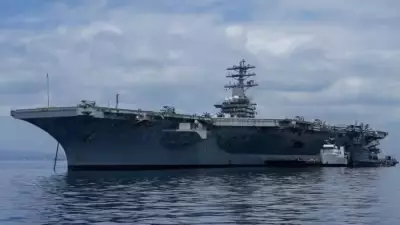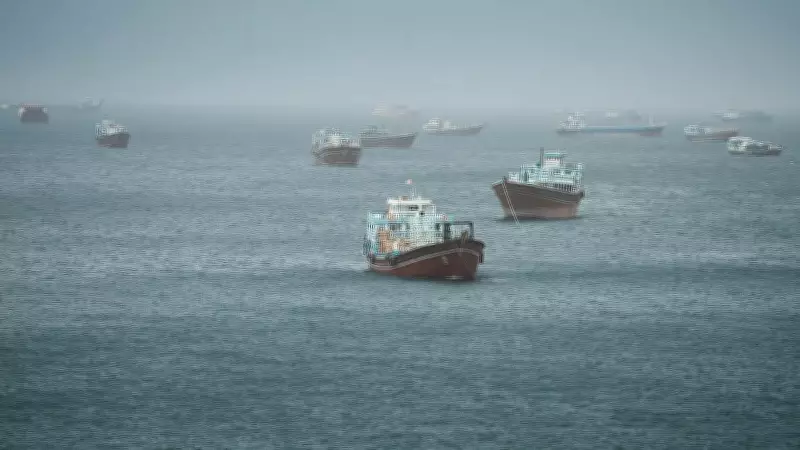
The United States Treasury Department has imposed sanctions on Iran's Hormuz Strait authority, targeting entities involved in the management of the strategic waterway. This move comes amid heightened tensions between Washington and Tehran over maritime security in the region.
Details of the Sanctions
The sanctions target the Islamic Republic of Iran Shipping Lines (IRISL) and its affiliates, which are accused of playing a key role in the illicit trade and transport of Iranian oil. The Treasury also blacklisted several entities and individuals linked to the IRISL network.
The Hormuz Strait, a narrow passage between the Persian Gulf and the Gulf of Oman, is a critical chokepoint for global oil shipments. Approximately 20% of the world's oil passes through this waterway. Iran has previously threatened to disrupt traffic in the strait in response to international pressure.

Impact on Global Oil Markets
The sanctions are expected to further tighten Iran's oil exports, which have already been severely restricted under previous US measures. Analysts warn that any disruption in the strait could lead to a spike in global oil prices, affecting economies worldwide.
Iran's Foreign Ministry condemned the sanctions, calling them a violation of international law and an act of economic terrorism. Tehran has vowed to continue its operations in the strait despite the restrictions.
Background of US-Iran Tensions
The US has been increasing economic pressure on Iran since withdrawing from the 2015 nuclear deal in 2018. The Trump administration's maximum pressure campaign aimed to reduce Iran's oil exports to zero. The Biden administration has maintained many of these sanctions while seeking a diplomatic resolution.
The sanctions on the Hormuz Strait authority are part of a broader effort to curb Iran's influence in the region and its support for proxy groups. The US has also targeted Iranian banks, shipping companies, and individuals involved in weapons proliferation.
International Reactions
European allies have expressed concern over the sanctions, urging restraint and dialogue. Russia and China criticized the move, accusing the US of escalating tensions. The United Nations has called for de-escalation and adherence to international maritime laws.
The sanctions will freeze any US assets held by the targeted entities and prohibit American citizens from doing business with them. The Treasury's Office of Foreign Assets Control (OFAC) will enforce the measures.
In response, Iran has increased its naval presence in the Strait of Hormuz and conducted military exercises. The Iranian Revolutionary Guard Corps (IRGC) has warned that it will not hesitate to defend its interests in the waterway.
The situation remains volatile, with potential implications for global energy security and regional stability. The US has stated that it is prepared to take further action if necessary to ensure freedom of navigation in the strait.