

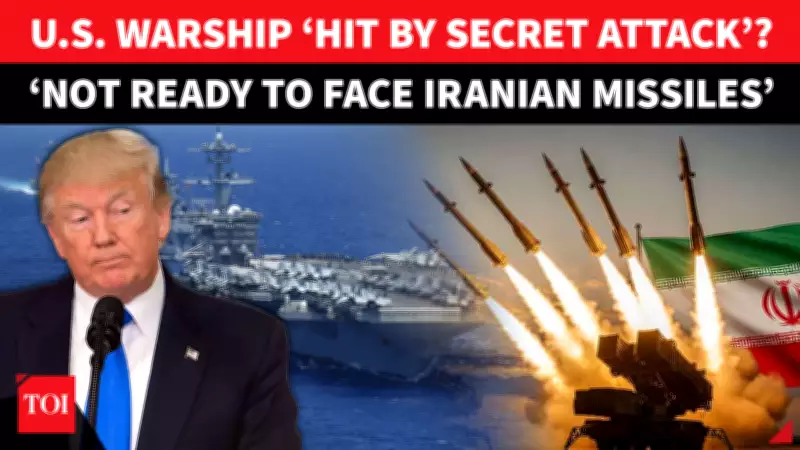
USS Gerald R. Ford Carrier Strike Group Deploys to Middle East Amid Rising Iran Tensions
The United States Navy is deploying the USS Gerald R. Ford carrier strike group to the Middle East, marking a significant military buildup in the region. This move places a second U.S. aircraft carrier alongside the USS Abraham Lincoln, intensifying American naval presence as tensions with Iran escalate.
Strategic Deployment Amid Diplomatic Strains
The deployment comes at a critical juncture, with nearly 30,000 American troops already stationed across various bases in the Middle East. Washington and Tehran have been engaged in a prolonged standoff, with recent diplomatic efforts failing to ease hostilities. The arrival of the Ford strike group underscores the U.S. commitment to maintaining regional stability and deterring potential aggression.
The USS Gerald R. Ford is the Navy's most advanced aircraft carrier, featuring the revolutionary Electromagnetic Aircraft Launch System (EMALS). This technology allows for more efficient and rapid aircraft launches, significantly enhancing operational capabilities. The carrier's deployment is expected to bolster U.S. military readiness and provide a formidable deterrent in the volatile Gulf region.

Operational Challenges and Maintenance Concerns
However, the deployment follows an extended period at sea for the USS Gerald R. Ford, raising serious questions about crew fatigue and the vessel's maintenance schedule. Prolonged operational cycles can lead to increased stress on both personnel and equipment, potentially impacting mission effectiveness.
Scheduled upgrades and essential dry-dock repairs for the carrier are now reportedly being postponed as it heads toward the Gulf. This delay in maintenance could have long-term implications for the ship's operational readiness and longevity. Navy officials are likely monitoring the situation closely to mitigate risks associated with deferred upkeep.
Broader Regional Implications
The presence of two U.S. aircraft carriers in the Middle East signals a robust American military posture amid ongoing geopolitical tensions. This deployment is part of a broader strategy to ensure freedom of navigation in key waterways, such as the Strait of Hormuz, and to respond swiftly to any emerging threats.
As the USS Gerald R. Ford navigates toward its destination, the international community watches closely. The carrier's advanced capabilities and the strategic timing of its deployment highlight the complex dynamics at play in U.S.-Iran relations and the broader Middle East security landscape.






