

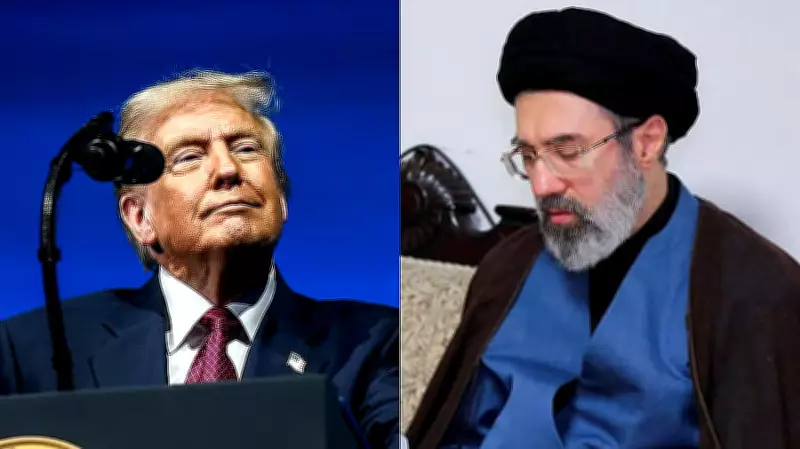
The prolonged fuel blockade in West Asia has deepened India's energy vulnerabilities, compelling the nation to urgently diversify its supply sources and adopt a bolder strategic posture. The ongoing conflict, marked by sustained disruptions in oil and gas flows from the region, poses significant economic and geopolitical risks for India, which relies heavily on West Asian imports for over 80% of its crude oil and a substantial portion of its natural gas.
Escalating Energy Dependence Risks
India's dependence on West Asia for energy has long been a strategic Achilles' heel. The current blockade, triggered by heightened hostilities, has led to a sharp spike in global oil prices and supply uncertainties. This not only strains India's fiscal balance but also fuels inflationary pressures, impacting everything from transportation costs to household budgets. The government's strategic petroleum reserves, while providing a temporary buffer, are insufficient to weather a prolonged crisis.
Need for Supply Diversification
The crisis underscores the imperative for India to accelerate its energy diversification strategy. This includes ramping up domestic production, expanding renewable energy capacity, and securing long-term supply agreements with alternative sources such as the United States, Russia, and African nations. Investments in liquefied natural gas (LNG) infrastructure and strategic partnerships in Central Asia and the Indo-Pacific region are also critical to reducing reliance on the volatile West Asian corridor.

Geopolitical and Strategic Implications
Beyond energy, the West Asia deadlock tests India's diplomatic balancing act. As a key player in the region with strong ties to both Israel and Iran, India must navigate complex alliances while protecting its interests. The crisis also threatens the welfare of millions of Indian expatriates in the Gulf, who contribute significantly to remittances and bilateral trade. A bolder strategic play, including proactive mediation efforts and enhanced maritime security cooperation, is essential to mitigate these risks.
Economic Fallout and Policy Response
The economic fallout of the blockade is already evident, with India's trade deficit widening and the rupee coming under pressure. The government has responded by releasing petroleum reserves and exploring barter arrangements with friendly nations. However, long-term resilience demands structural reforms in the energy sector, including deregulation, increased private sector participation, and a push for electric mobility and biofuels.
In conclusion, the West Asia crisis serves as a stark reminder of India's vulnerabilities and the urgent need for a comprehensive strategy that combines energy security, diplomatic agility, and economic resilience. The path forward requires not just reactive measures but a proactive, long-term vision to safeguard the nation's interests in an increasingly uncertain global landscape.






