

White House Reportedly Appeals to Global Nations, Including India, to Import Russian Oil
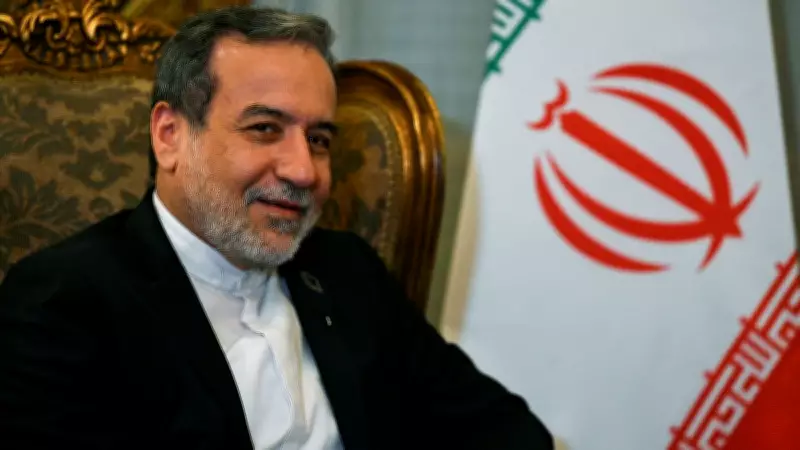
In a surprising turn of events, Iranian diplomat Abbas Araqchi has alleged that the White House is now actively encouraging countries around the world, with India prominently mentioned, to purchase Russian oil. This statement, if accurate, represents a significant departure from previous Western stances that have often criticized or imposed sanctions on Russian energy exports due to geopolitical conflicts.
Iranian Diplomat's Claims on US Policy Shift
Abbas Araqchi, a senior Iranian official, made these remarks during a recent address, suggesting that the United States is in a position where it is "begging" nations to buy Russian oil. This development comes amid ongoing global energy market fluctuations and efforts by Western powers to manage oil supplies and prices. Araqchi's comments highlight potential cracks in the unified front that Western allies have maintained against Russia, particularly in the energy sector.
The implications of this alleged shift are profound, as it could signal a pragmatic approach by the US to stabilize global oil markets or address domestic energy needs. Historically, the US and its allies have imposed various sanctions on Russian oil exports, aiming to curb Moscow's revenue streams. However, Araqchi's assertion indicates that economic realities might be forcing a reevaluation of these policies.

India's Role in the Global Oil Landscape
India, as one of the world's largest oil importers, plays a crucial role in this scenario. The country has maintained a balanced approach, continuing to import Russian oil at discounted prices despite Western pressures. This has allowed India to secure affordable energy for its growing economy while navigating complex international relations.
If the White House is indeed urging India to buy more Russian oil, it could be seen as an acknowledgment of India's strategic importance in global energy dynamics. Such a move might also aim to prevent further price spikes or supply shortages that could harm the global economy. Experts suggest that this could lead to increased diplomatic engagements between the US and India, focusing on energy security and trade.
Broader Geopolitical and Economic Context
The Middle East, particularly Iran, has a vested interest in these developments, as shifts in oil policies can impact regional stability and economic interests. Araqchi's comments may also reflect Iran's perspective on Western hypocrisy or changing alliances in the energy sector.
- This alleged policy shift could reduce global oil prices by increasing supply.
- It might strain relations between the US and some European allies who have reduced Russian oil imports.
- Countries like India could benefit from enhanced energy security and economic advantages.
Overall, Abbas Araqchi's claims underscore the evolving nature of global energy politics, where traditional alliances are being tested by practical economic needs. As nations grapple with inflation and energy crises, such developments could reshape international trade and diplomatic strategies in the coming months.






