

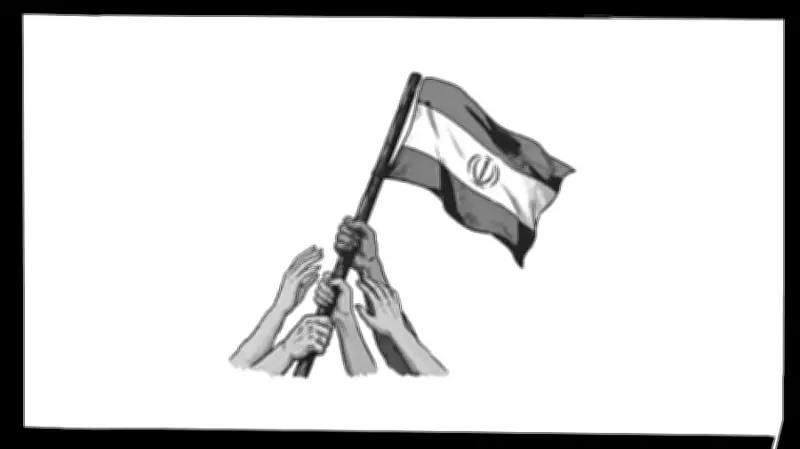
Why Iran Did Not Fall: A Cultural Explanation
In the face of relentless military and political pressure from the United States and Israel, Iran has demonstrated remarkable endurance, defying predictions of regime collapse. This resilience is not merely a matter of strategic maneuvering or economic fortitude; it is deeply rooted in the cultural fabric of the Iranian people. The resolve of a unified population has played a pivotal role in sustaining the nation through decades of external onslaughts.
The Power of National Unity
Iran's ability to withstand intense pressure stems from a profound sense of national identity and cultural cohesion. Unlike many nations that fragment under external threats, Iran has maintained a strong collective spirit. This unity is nurtured by shared historical narratives, religious beliefs, and a common language that binds diverse ethnic groups together. When faced with sanctions, cyber-attacks, and military provocations, Iranians have often rallied around their leadership, viewing such actions as assaults on their sovereignty and cultural heritage.
The regime has skillfully leveraged this cultural unity to mobilize support, framing resistance as a patriotic duty. Public demonstrations, state-sponsored media campaigns, and educational systems emphasize themes of perseverance and defiance against foreign interference. This cultural narrative has helped the government maintain legitimacy, even amid economic hardships and social challenges.

Historical and Religious Foundations
Iran's cultural resilience is further bolstered by its rich historical legacy and religious convictions. The country's long history of empires, such as the Persian Empire, instills a sense of pride and continuity. Additionally, Shia Islam, the dominant religion, emphasizes concepts like martyrdom and justice, which resonate deeply in contexts of conflict and oppression. These elements provide a moral and ideological framework that encourages steadfastness in the face of adversity.
Over the years, events like the Iran-Iraq War in the 1980s have reinforced this cultural fortitude, with memories of sacrifice and survival shaping national consciousness. The current generation draws on these historical lessons, viewing contemporary pressures as part of an ongoing struggle for autonomy and dignity.
External Pressures and Internal Responses
The US-Israeli strategy has involved a combination of military threats, economic sanctions, and diplomatic isolation aimed at destabilizing Iran. However, these efforts have often backfired, strengthening internal solidarity. Sanctions, while causing economic pain, have spurred domestic innovation and self-reliance in sectors like technology and defense. Military posturing, including airstrikes and covert operations, has been met with defiant rhetoric and enhanced military preparedness from Iran.
Internally, the regime has adapted by fostering a siege mentality, where external threats are portrayed as existential challenges requiring collective resistance. This approach has mitigated dissent and fostered a culture of endurance, with many Iranians prioritizing national survival over political grievances.
Implications for Regional and Global Dynamics
Iran's cultural resilience has significant implications for West Asia and beyond. It complicates efforts by the US and Israel to influence regional politics, as Iran continues to assert its influence through proxies and diplomatic engagements. The nation's ability to endure pressure also serves as a model for other countries facing similar external interventions, highlighting the importance of cultural factors in geopolitical stability.
Looking ahead, understanding Iran's cultural dimensions is crucial for policymakers and analysts. While economic and military tools remain important, overlooking the role of national unity and historical identity can lead to miscalculations in international relations. Iran's story underscores that in the modern world, cultural resolve can be as decisive as hard power in determining a nation's fate.

In summary, Iran's endurance against US-Israeli pressure is not a mere accident of politics but a testament to its cultural strength. The unified resolve of its people, rooted in history and faith, has enabled the regime to navigate relentless challenges, offering lessons in resilience for the global community.





