

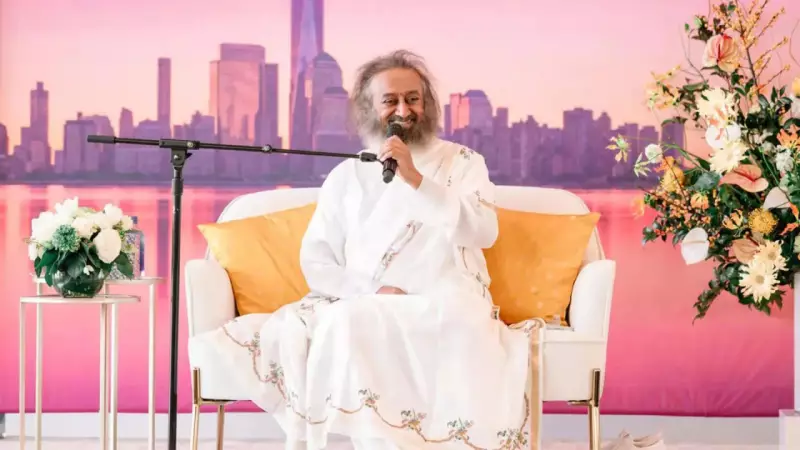
In an unprecedented display of collective mindfulness, more than 12.1 million individuals from over 150 countries united for what has been described as the largest meditation event in recorded history. The global session was led by renowned spiritual leader Gurudev Sri Sri Ravi Shankar to mark the inaugural observance of World Meditation Day, formally adopted by the United Nations General Assembly in 2024.
A UN-Anchored Global Phenomenon
The main event was anchored at the prestigious UN Trusteeship Council in New York, where diplomats and senior UN officials gathered for a live guided session. This central observance was mirrored by millions more in simultaneous sessions organized across continents. Participants meditated in diverse settings, from major metropolitan cities and remote villages to schools, corporate workplaces, and even prisons, creating a truly universal wave of peace.
The day highlighted India's rich cultural and spiritual traditions, positioning meditation as a practical, evidence-based tool to combat modern ailments like anxiety, burnout, and societal stress. In his keynote address, Gurudev Sri Sri Ravi Shankar powerfully stated, "Meditation is no longer a luxury; it is a necessity." This sentiment echoed across diplomatic and community platforms worldwide.

Announcing a Groundbreaking Global Study
Coinciding with the massive event, a significant new research initiative was unveiled. The Art of Living has partnered with Gallup to integrate meditation-related questions into the renowned Gallup World Poll. This ambitious project aims to generate the first comprehensive, data-driven insights into the links between meditation practice and key indicators of human wellbeing on a global scale.
The study will specifically examine connections to emotional health, life satisfaction, and social wellbeing. This initiative comes at a critical time, as Gallup's recent findings indicate that levels of stress and worry remain persistently high across global populations, underscoring the urgent need for scalable mental health solutions. The results of this landmark study are expected in December 2026 and have the potential to inform future public policy, educational curricula, and workplace wellness programs.
Diplomatic Foundations and Future Impact
The path to this global day was paved through diplomatic efforts. Earlier, on December 19, Permanent Representatives from a core group of nations including India, Sri Lanka, Andorra, Mexico, and Nepal, alongside other UN member states and agencies, convened at the United Nations to formally mark the adoption of World Meditation Day. That event featured discussions on meditation's relevance in tackling global mental health and social cohesion challenges.
This year's historic gathering of over 12 million participants demonstrates a surging global appetite for inner peace and collective harmony. By combining a massive participatory event with a commitment to rigorous scientific research, the observance sets a new benchmark for how ancient practices can be leveraged to address contemporary crises, promising a lasting impact on global health and policy discussions for years to come.

