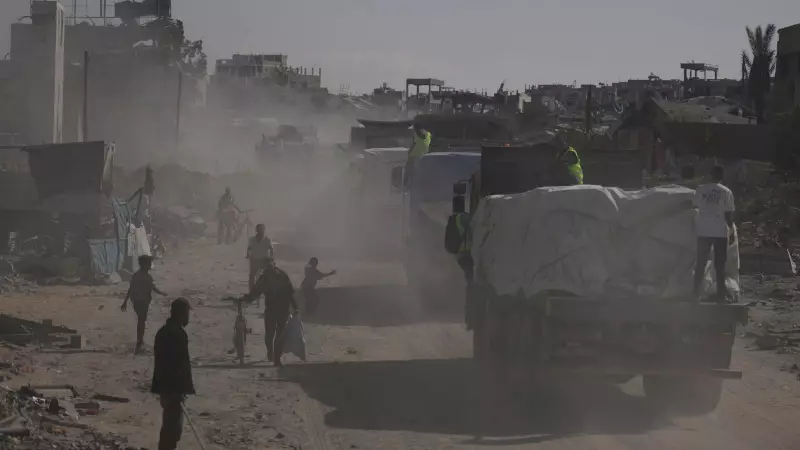
In a significant development that intensifies international pressure, the United Nations' highest judicial body has issued a stern rebuke to Israel regarding its handling of humanitarian aid to the Gaza Strip.
Court Orders Immediate Action on Aid Delivery
The International Court of Justice (ICJ) declared on Thursday that Israel must take all necessary and effective measures to ensure the uninterrupted provision of urgently needed basic services and humanitarian assistance throughout Gaza. This ruling comes as part of the ongoing case brought by South Africa accusing Israel of genocide.
The court's binding orders specifically require Israel to:

- Increase the capacity and number of land crossing points and keep them open as long as necessary
- Ensure that its military does not commit acts that violate Palestinian rights
- Take immediate and effective measures to enable the provision of basic food, water, electricity, fuel, shelter, clothing, and hygiene requirements
- Report back to the court within one month on implementation progress
Growing International Concern Over Humanitarian Crisis
The ruling reflects mounting global alarm about the deteriorating humanitarian situation in Gaza. UN officials have repeatedly warned that widespread famine is becoming increasingly likely without immediate and substantial increases in aid delivery.
The court noted that Palestinians in Gaza are no longer facing only a risk of famine, but that famine is actually setting in, with at least 31 people, including 27 children, having already died from malnutrition and dehydration according to UN data.
Legal and Diplomatic Implications
This decision represents the third time the ICJ has intervened in the six-month-old conflict with interim measures. While the court cannot enforce its rulings, they carry significant legal weight and contribute to international pressure on the parties involved.
The case continues at the ICJ, with a final determination on whether Israel has committed genocide in Gaza expected to take years. However, Thursday's ruling demonstrates the court's increasing concern about the immediate humanitarian consequences of the ongoing conflict.