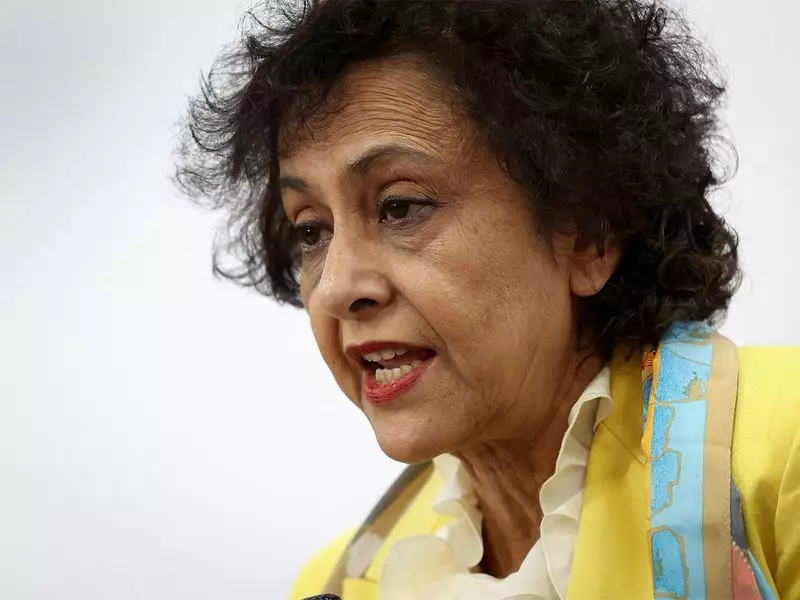
In a stark condemnation, a top United Nations expert has accused the Bangladeshi government of fostering a climate of impunity that is directly fueling violent mob attacks against journalists and media workers across the country. The warning comes from Irene Khan, the UN Special Rapporteur on the promotion and protection of the right to freedom of opinion and expression.
A Climate of Fear and Violence
Following a recent official visit to Bangladesh, Irene Khan presented her preliminary findings, painting a grim picture for press freedom. She highlighted that physical attacks, harassment, and intimidation of journalists have become alarmingly common. Khan specifically pointed to the dangerous trend of mob violence, where groups target media personnel with little fear of legal consequences.
The UN expert stated that the state's failure to hold perpetrators accountable sends a dangerous signal. "Impunity for crimes against journalists is high," she declared, emphasizing that this lack of justice emboldens attackers and erodes the fundamental right to freedom of expression. Her findings suggest that the environment for independent reporting is shrinking under pressure.

Digital Security Act and Legal Harassment
Beyond physical violence, Khan's report sheds light on the systemic legal challenges facing the media. She expressed deep concern over the application of the Digital Security Act (DSA), a controversial law that critics say is used to silence dissent. According to the expert, this legislation has become a primary tool for harassing and prosecuting journalists, creating a pervasive climate of self-censorship.
The situation is particularly severe for journalists investigating corruption or criticizing the government. Khan noted that these individuals face heightened risks, including threats of legal action, arbitrary detention, and digital surveillance. This multi-pronged assault, combining legal pressure with street violence, poses an existential threat to a free press in Bangladesh.
Urgent Calls for Government Action
Irene Khan did not mince words in her call for immediate reform. She urged the Bangladeshi authorities to take concrete steps to reverse this alarming trend. Her key recommendations include a thorough review and amendment of the Digital Security Act to align it with international human rights standards.
Furthermore, she demanded that the government ensure prompt, independent, and effective investigations into all attacks on journalists. Prosecuting those responsible, regardless of their political affiliations, is crucial to breaking the cycle of impunity. Khan stressed that protecting journalists is not a favor but a core obligation of the state under international law.
The UN expert's statement serves as a critical international spotlight on the deteriorating conditions for media workers in Bangladesh. It underscores the direct link between state inaction and the rise of violent mobocracy against the press. The world is now watching to see if Dhaka will heed these urgent calls or allow the space for free expression to collapse further.