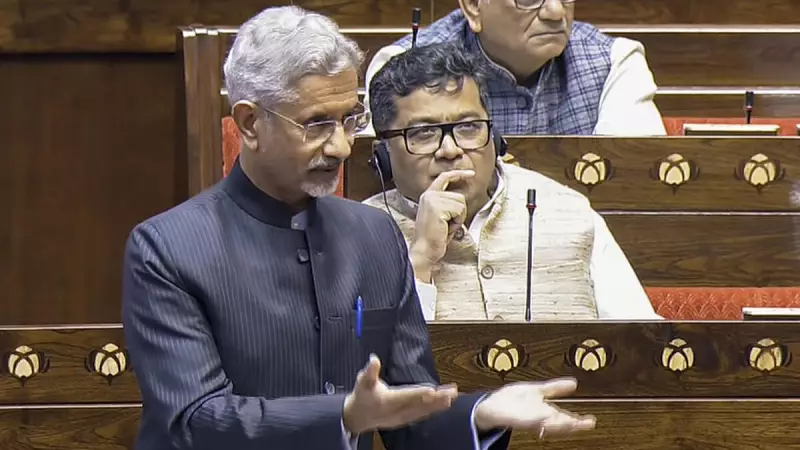
India's External Affairs Minister, Dr. S. Jaishankar, presented a stark figure in the Rajya Sabha on Wednesday, revealing that the United States has deported over 18,800 Indian nationals since 2009. The data, provided in response to a question, shows a significant number of deportations in the current year, highlighting an ongoing issue in US-India migration dynamics.
Decade-Long Data on US Deportations
According to the detailed breakdown shared by Minister Jaishankar, the United States deported a total of 18,822 Indian nationals between 2009 and 2025. The year 2025 alone has seen 3,258 Indian citizens deported from American soil. This annual figure underscores the continued enforcement of US immigration laws against individuals from India.
The minister was responding to a query raised by Rajya Sabha member Sujeet Kumar. The provided statistics offer a clear, year-by-year account of the situation, moving beyond anecdotal evidence to concrete numbers. The disclosure brings official attention to the scale of deportations affecting the Indian diaspora in the United States.

Government's Proactive Measures and Consular Support
In his statement, Jaishankar emphasized that the Indian government is not a passive observer. He outlined several steps taken by Indian missions and posts in the US to assist affected nationals. Consular access is promptly provided to those detained, ensuring their rights are protected under international norms.
Furthermore, the government actively pursues the early repatriation of Indian nationals who have completed their sentences. "Our Embassies and Consulates in the USA remain in touch with the US authorities on such issues," Jaishankar stated, confirming ongoing diplomatic channels are being utilized to manage these cases. The welfare of Indian citizens abroad remains a key priority for the Ministry of External Affairs.
Understanding the Context and Bilateral Cooperation
The high number of deportations must be viewed within the broader context of US immigration policy and the large Indian community residing in America. Deportations can occur for various reasons, including visa overstays, violations of status, or criminal convictions. The data from 2009 onwards suggests a consistent pattern of enforcement.
Importantly, Jaishankar's response indicates a framework of cooperation between Indian and US authorities. The sharing of such specific data implies a level of bilateral engagement on migration matters. The Indian government's role involves both advocating for its citizens and working within the legal frameworks of the host nation to ensure due process and humane treatment.
This revelation in Parliament serves to inform the public and lawmakers about a significant aspect of diaspora relations. It highlights the challenges faced by some overseas Indians while also showcasing the consular and diplomatic mechanisms deployed by the government to address these complex situations. The figures are likely to prompt further discussion on migration policies, bilateral agreements, and support systems for Indians abroad.