

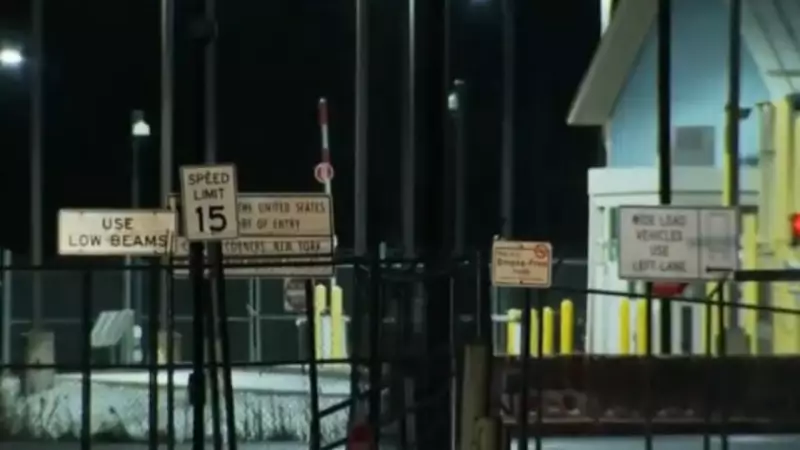
In a chilling incident highlighting the perils of irregular migration, Canadian authorities arrested nearly 20 undocumented migrants from Haiti this week. The group, which included young children, had crossed into southern Quebec from the United States on foot, braving dangerously frigid temperatures.
Search and Rescue in Harsh Conditions
The operation was launched by the Royal Canadian Mounted Police (RCMP) after they received a tip from their US Border Patrol counterparts about individuals crossing the frontier illegally. Following an intensive search that lasted over an hour in extreme cold, officials located 15 people hiding in wooded areas near Havelock, Quebec, approximately 53 kilometres south of Montreal.
The RCMP stated that the search continued until about 10:30 p.m. to find all individuals. The migrants, whose ages range from just one year old to 60 years, are all of Haitian origin and have formally requested asylum in Canada, according to police reports.

Medical Emergency and a Driver's Arrest
The harsh conditions took a severe toll on the group. Eight of the migrants required hospitalisation. Of these, six were treated for frostbite. As a precautionary measure, two young children from the group were also taken to a medical facility.
In a related development, police arrested another man under the Customs Act. He is suspected to be the individual who was supposed to pick up the migrants in his vehicle. The RCMP emphasised the dangers of such crossings, noting, "People who cross illegally are often poorly equipped and inadequately dressed for the weather. The terrain is also very difficult to access in certain areas."
Political Fallout and Taxpayer Concerns
This incident has reignited a major political controversy in Canada. The location of the arrest is significant; Havelock lies about 20 km from the formerly busy Roxham Road crossing. That unofficial border point was used by tens of thousands of asylum seekers before the Canadian government shut it down in 2023.
The event has sparked a heated row among Canadian citizens and politicians. A primary concern raised is that since the individuals have claimed asylum, they will likely be accommodated in government-provided housing, such as hotels, at taxpayer expense. This has fuelled ongoing debates about border security, immigration policy, and the allocation of public funds for processing asylum seekers.
The case underscores the continuing challenges faced by nations managing irregular migration flows, even after the closure of known irregular crossing points. It also highlights the desperate measures migrants undertake, risking life and limb in brutal weather conditions to seek a new beginning.






