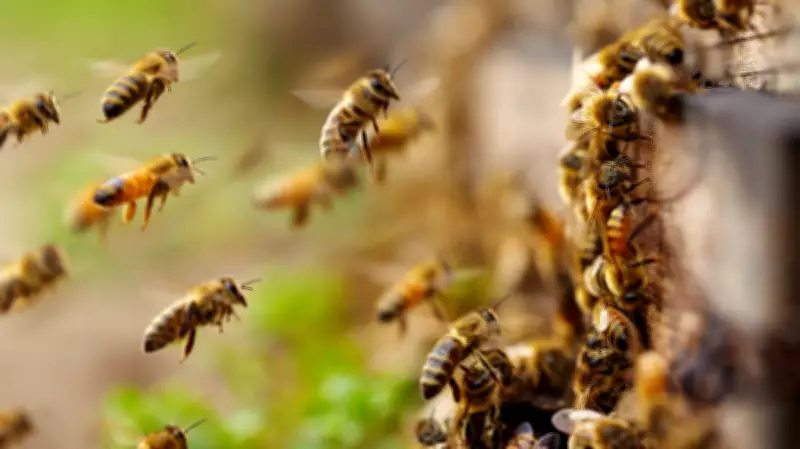
Massive Bee Colony Discovered Beneath New York Cemetery
In an extraordinary find that has captivated the scientific community, researchers have uncovered a colossal colony of approximately 56 million bees living underground beneath a cemetery in New York State. This discovery, which emerged during a routine environmental survey, highlights the hidden complexities of urban ecosystems and the resilience of bee populations in unexpected habitats.
Details of the Groundbreaking Discovery
The bee colony was located under the grounds of a cemetery in New York, though the exact location has not been disclosed to protect the site. Scientists stumbled upon the bees while conducting studies on soil composition and biodiversity in the area. Initial estimates suggest the colony spans a significant underground network, with millions of bees, primarily honeybees, thriving in this subterranean environment.
This finding is particularly notable because it challenges conventional assumptions about bee habitats, which are often associated with above-ground hives in rural or forested areas. The bees appear to have adapted to the cemetery's soil conditions, possibly benefiting from minimal human disturbance and the availability of floral resources from nearby gardens and natural vegetation.

Implications for Bee Conservation and Urban Ecology
The discovery of such a large bee colony in an urban setting has profound implications for conservation efforts. Bees are crucial pollinators, playing a vital role in agriculture and ecosystem health, but many species face threats from habitat loss, pesticides, and climate change. This colony's survival suggests that urban areas, including cemeteries, could serve as important refuges for bee populations.
Researchers are now studying how these bees have managed to thrive underground, focusing on factors like temperature regulation, food sources, and colony dynamics. Understanding these adaptations could inform strategies to support bee conservation in cities, such as creating more bee-friendly green spaces or protecting existing habitats from development.
Public and Scientific Reactions
The news has sparked widespread interest among both scientists and the public. Entomologists and ecologists are hailing the discovery as a reminder of the hidden biodiversity in urban landscapes. Meanwhile, local residents and cemetery visitors have expressed curiosity and concern, with some advocating for measures to ensure the bees are not disturbed.
Authorities are monitoring the site to assess any potential risks, such as bee stings or structural impacts on the cemetery grounds. However, initial reports indicate that the bees are not aggressive and are coexisting peacefully with their surroundings. This has led to calls for educational initiatives to raise awareness about the importance of bees and how to safely interact with them in urban environments.
Future Research and Conservation Efforts
Moving forward, scientists plan to conduct more detailed studies on the colony, including genetic analysis to determine the bee species and their origins. There is also interest in exploring whether similar colonies exist in other urban areas across the United States and globally.
Conservation groups are using this discovery to advocate for stronger protections for urban wildlife habitats. Recommendations include:
- Implementing policies to limit pesticide use in cemeteries and parks.
- Promoting the planting of native flowers to support bee nutrition.
- Encouraging community involvement in bee monitoring programs.
This discovery underscores the need for continued research into urban ecosystems and the often-overlooked species that inhabit them. As bee populations worldwide face decline, findings like this offer hope and new avenues for conservation, emphasizing that even in the most developed areas, nature can thrive in surprising ways.