The iconic American news programme '60 Minutes' is embroiled in a major credibility crisis. Its own journalists are threatening to resign after network leadership, under editor-in-chief Bari Weiss, abruptly shelved a hard-hitting investigation into the Trump administration's immigration policies just hours before broadcast.
A Story Pulled at the Eleventh Hour
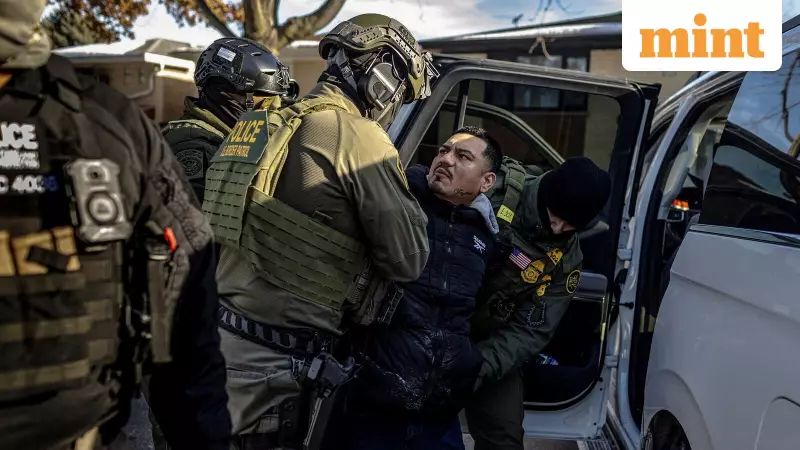
On Sunday, CBS News made a sudden and controversial decision. It pulled a scheduled '60 Minutes' report titled 'Inside CECOT'. The segment featured shocking accounts from Venezuelan men who were deported by the Donald Trump administration and sent to the notorious maximum-security CECOT prison in El Salvador.
The programme announced the last-minute change on social media platform X with a brief editor's note, stating the report would air at a later date. It offered little explanation, simply saying, "The broadcast lineup for tonight's edition of 60 Minutes has been updated." According to a CNN report, CBS News later stated, "We determined it needed additional reporting."

Internal Fury and Accusations of Political Censorship
The decision sparked immediate and fierce backlash, both online and within the newsroom. The correspondent who reported the story, Sharyn Alfonsi, sent a scathing internal memo that was widely shared. She revealed that CEO Bari Weiss had "spiked" the story despite it being fully vetted and approved by CBS's own legal and standards departments.
"It is factually correct. In my view, pulling it now—after every rigorous internal check has been met is not an editorial decision, it is a political one," Alfonsi wrote.
Alfonsi argued that the Trump administration's refusal to provide an on-the-record interview was a tactical move to suppress the story. She issued a stark warning about the precedent this sets: "If the standard for airing a story becomes 'the government must agree to be interviewed,' then the government effectively gains control over the 60 Minutes broadcast. We go from an investigative powerhouse to a stenographer for the state."
She emphasized the moral duty to the Venezuelan sources who "risked their lives" to speak out, calling the shelving of the report a "betrayal of the most basic tenet of journalism."
Staff Revolt and a Legacy Under Threat
The fallout has been severe. CNN media analyst Brian Stelter reported that inside '60 Minutes', where journalistic independence is considered sacred, "people are threatening to quit over this." The incident has led to public accusations that CBS News is becoming a mouthpiece for the Trump administration.
This crisis strikes at the heart of a programme that first aired in 1968 and was recently named one of the greatest TV shows of all time. Known for decades as a fearless investigative news magazine, its reputation is now on the line as it faces one of the most significant internal rebellions in its history.
The standoff highlights a critical battle over editorial independence and the pressure news organisations face when reporting on powerful political figures and contentious policies like immigration.