

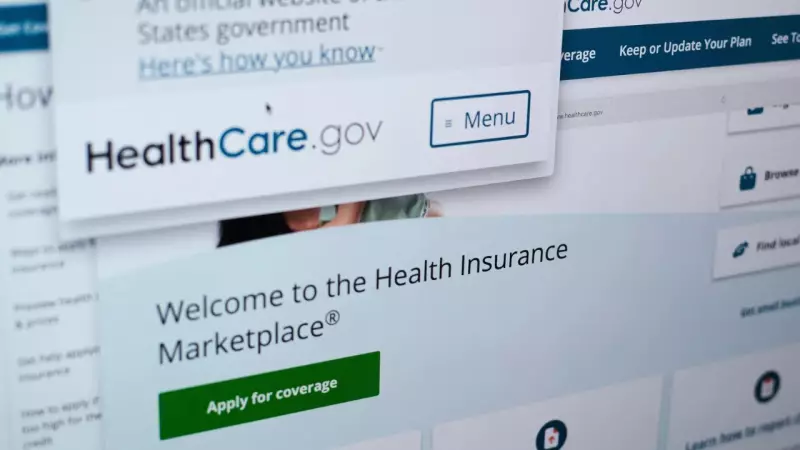
Millions of American families are bracing for a severe financial shock as crucial healthcare subsidies under the Affordable Care Act (ACA) officially lapsed on January 1, 2026. The expiration of these enhanced tax credits, despite prolonged negotiations in Congress, is set to more than double average premium costs for the vast majority of enrollees, plunging many into a fresh crisis of affordability.
Political Deadlock and a Costly Shutdown
The enhanced subsidies were first introduced in 2021 as a temporary pandemic relief measure. They were later extended by the then-ruling Democrats, setting their expiry for the start of 2026. These credits were a lifeline, allowing lower-income Americans to access free coverage and capping costs for higher earners at 8.5% of their income.
Efforts by both Republican and Democratic lawmakers to find a permanent solution failed spectacularly, leading to a 43-day government shutdown. The political impasse remained unresolved as the deadline passed, leaving over 20 million people who rely on this financial assistance in the lurch. A House vote scheduled for January 2026 offers a glimmer of hope, but its success is far from guaranteed.

Real Lives, Impossible Choices
The human impact of this policy failure is stark and immediate. Katelin Provost, a 37-year-old single mother, voiced the frustration of the squeezed middle class. "It really bothers me that the middle class has moved from a squeeze to a full suffocation, and they continue to just pile on and leave it up to us," she told the Associated Press. Her monthly health premium is skyrocketing from a manageable $85 to nearly $750.
Faced with this untenable cost, Provost has made a heartbreaking decision: she plans to drop her own insurance while trying to maintain coverage for her four-year-old daughter if Congress does not act swiftly.
Others, like Stan Clawson, a 49-year-old freelance filmmaker in Salt Lake City living with paralysis, have no choice but to pay. His premiums jumped from $350 to almost $500 per month, a cost he must absorb due to his critical medical needs.
A Destabilized Insurance Market and Election Year Pressure
Health experts are sounding the alarm about broader consequences. They predict that many younger and healthier individuals will likely forgo coverage altogether due to the steep price hike. Research from the Urban Institute and the Commonwealth Fund estimates that roughly 4.8 million Americans will lose their health insurance in 2026 because of this change.
This exodus threatens to destabilize the insurance risk pool, making coverage even more expensive for the older and sicker participants who remain enrolled. The issue catapults to the forefront of national concerns as the country enters a crucial midterm election year, with healthcare affordability ranking high among voter priorities.
The sentiment on the ground is one of deep frustration with the political process. Chad Bruns, a 58-year-old enrollee from Wisconsin, encapsulated the widespread disillusionment: "Both Republicans and Democrats have been saying for years, oh, we need to fix it. Then do it. They need to get to the root cause, and no political party ever does that." As premiums surge, the demand for a lasting solution grows ever more urgent.






