

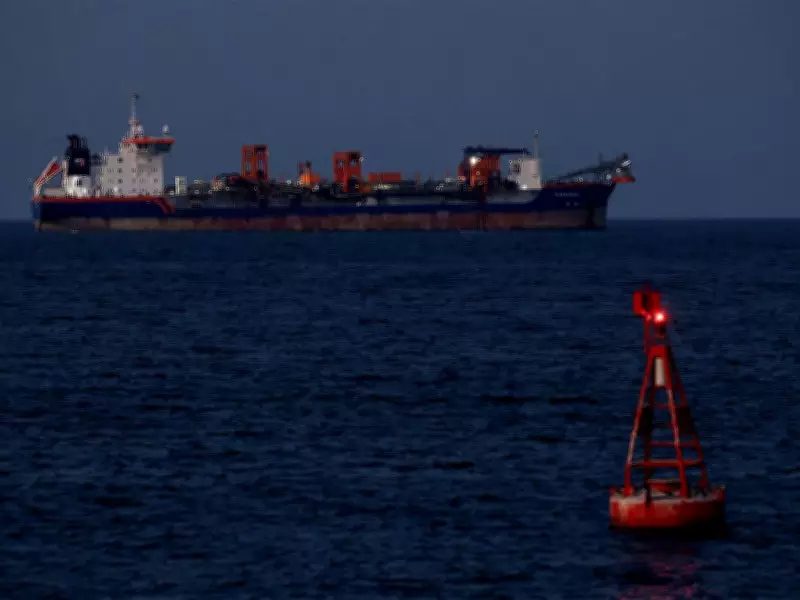
US Allies Maintain Distance After Trump's Naval Deployment Call in Strait of Hormuz
In a significant development, American allies have adopted a cautious or outright refusal stance following President Donald Trump's appeal for approximately seven nations to deploy warships to the Strait of Hormuz. This critical maritime oil route is currently experiencing major disruptions due to the ongoing conflict with Iran, yet key partners are showing reluctance to commit military resources.
Australia and Japan Issue Firm Refusals
Australia has explicitly confirmed it will not provide naval support to the region. Cabinet Minister Catherine King informed the ABC that while the waterway remains vital, Canberra has received no formal request and maintains no plans for deployment. "We won't be sending a ship to the Strait of Hormuz. We know how incredibly important that is, but that's not something that we've been asked or that we're contributing to," King stated.
Similarly, Japan has mirrored this hesitant sentiment. Prime Minister Sanae Takaichi announced on Monday that Tokyo currently has no plans to deploy naval assets for escorting vessels in the Middle East. Addressing the Japanese parliament, Takaichi clarified that the government has not committed to any military involvement and is still evaluating its options. "We have not made any decisions whatsoever about dispatching escort ships. We are continuing to examine what Japan can do independently and what can be done within the legal framework," she told the legislature, as reported by Reuters.

Other Allies in Deliberation Mode
While some nations have issued firm refusals, others remain in a state of deliberation. South Korea indicated that it is in ongoing discussions with Washington, with the presidential office in Seoul noting that any potential move would only occur after a thorough and "careful review" of the situation.
In London, Prime Minister Keir Starmer maintained a diplomatic approach to the request. According to Downing Street, Starmer held talks with Trump regarding the necessity to reopen the strait to mitigate "global shipping disruptions." The British leader also consulted with Canadian Prime Minister Mark Carney to coordinate a Western response, with both agreeing to further deliberate on the Middle East crisis during a scheduled meeting on Monday.
Trump's Push for International Intervention
The push for international intervention was detailed by President Trump while speaking to reporters aboard Air Force One on Sunday. He revealed he has pressured nations with high dependency on Middle Eastern crude to assist in policing the waterway, which handles about one-fifth of the world's oil. While not naming all nations involved, Trump argued they should protect "their own territory" and reiterated that the United States has significantly less dependency on the strait compared to other global powers.
Trump specifically highlighted China's involvement as a major stakeholder, noting that Beijing secures most of its oil supplies through Hormuz. However, he stopped short of confirming whether China would participate in any international coalition.
Impact and Current Status
Despite the President's public appeals and the strategic importance of the route, no concrete military commitments have been secured. This lack of allied support comes as global oil prices continue to rise, underscoring the economic and geopolitical tensions in the region. The situation remains fluid, with ongoing evaluations and diplomatic discussions shaping the potential response to the crisis in the Strait of Hormuz.






