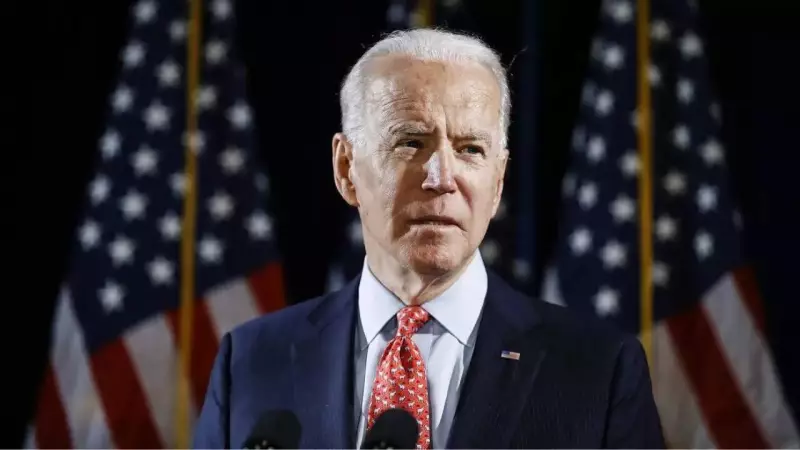
Former United States President Joe Biden is poised to retire with the most substantial government-funded retirement package in American presidential history, a staggering annual sum of $417,000. This figure notably surpasses his current presidential salary of $400,000 per year. The unique structure of his political career, spanning decades, has enabled this unprecedented financial arrangement.
How Biden's Dual Pension Plan Adds Up
According to Demian Brady, Vice President at the National Taxpayer Union Foundation, Biden's extensive service allows him to draw benefits from two separate retirement systems simultaneously. This rare situation stems from his roles as a long-serving senator, Vice President, and a full-term President. His total package is reportedly double the retirement amount received by former President Barack Obama.
The retirement income flows from two primary sources. The first is the Civil Service Retirement System (CSRS), calculated based on his 44 years of service as a senator and vice president. This calculation considers his three highest-earning years. Brady estimates this portion to be $166,374 annually, with an additional $18,186 for spousal benefits. A CSRS rule capping payments at 80% of the highest salary prevents this from being even larger; otherwise, it could have exceeded $254,000.

The second stream comes from the Former Presidents Act of 1958, which grants a pension equivalent to a current Cabinet secretary's salary, presently $250,600 per year. Crucially, this act also provides lifetime benefits covering office space, personnel, equipment, and travel expenses at no cost.
A Historically Unusual Package and Lifetime Perks
Brady describes Biden's compensation as "historically unusual," noting that very few former presidents have ever qualified for two major government retirement plans. Completing a full presidential term, on top of his Senate and vice-presidential tenure, allows Biden to secure benefits that ultimately exceed the salary of the sitting president.
Beyond the direct pension, Biden receives significant funding to maintain his post-presidency operations. For the 2026 financial year, the General Services Administration has allocated over $1.5 million for his office operations. This includes a substantial $727,000 for office space, with no restrictions on size or location, covering all operational costs, staff salaries, and equipment.
Brady has raised concerns about these lifelong office allowances, suggesting that younger former presidents like Obama can use these resources for activities like writing books or securing speaking engagements long after leaving office.
Broader Debate on Taxpayer-Funded Pensions
The revelation of Biden's generous package has reignited discussions about retirement benefits for top government officials financed by American taxpayers. In 2025, a Senate bill named the Presidential Allowance Modernization Act, proposed by Sen. Joni Ernst, seeks to cap the total retirement package at $200,000. A similar version of this act was passed by Congress in 2016 but was vetoed by President Obama, who stood to gain from the existing benefits.
The issue extends beyond the presidency. Every member of Congress becomes eligible for a federal pension after five years of service, costing taxpayers approximately $38 million annually. Notable examples include Rep. Marjorie Taylor Greene, who qualifies for an annual pension of $8,717, contrasting sharply with Rep. Nancy Pelosi's $107,860 per year. Over a lifetime, such pensions can amount to hundreds of thousands of dollars.
The structure and scale of these benefits continue to be a focal point for debates on government spending and compensation for public servants.