

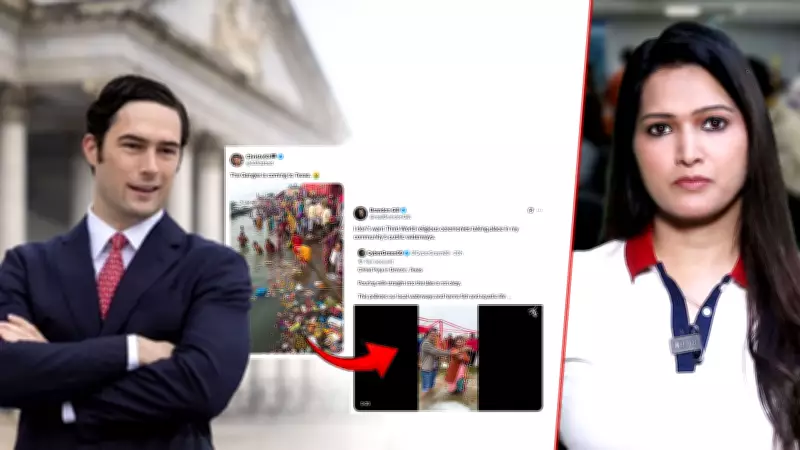
US Lawmaker's Chhat Puja Remark Triggers Cultural Firestorm
A significant cultural controversy has erupted in the United States following viral remarks made by Congressman Brandon Gill concerning the traditional Hindu festival of Chhat Puja. The comments have provoked intense backlash from the Indian diaspora community, who perceive them as deeply disrespectful toward a sacred and ancient tradition.
Diaspora Response and Social Media Uproar
The Indian diaspora has responded with forceful criticism, organizing online campaigns and public statements to condemn what they view as cultural insensitivity. Social media platforms have been inundated with reactions, with many users passionately defending the right to practice religious traditions while challenging what they see as selective outrage from public figures.
This incident occurs against a backdrop of reported increases in anti-Indian sentiment, adding substantial weight to the current controversy. Community leaders have emphasized that such remarks contribute to a hostile environment for Indian Americans and undermine efforts toward cultural understanding.

From Environmental Debate to Cultural Clash
While initial discussions around the remarks touched upon environmental considerations, the conversation rapidly expanded into a broader examination of cultural respect and religious tolerance. The controversy has sparked important dialogues about:
- The boundaries between free speech and cultural sensitivity
- The responsibilities of elected officials in diverse societies
- How traditional practices are perceived in multicultural contexts
- The growing political influence of the Indian diaspora in America
Broader Implications for Cultural Relations
This incident underscores the complex challenges of navigating cultural differences in increasingly diverse societies. A single comment from a public figure has demonstrated the potential to ignite international conversations about identity, inclusion, and mutual respect.
The controversy highlights how cultural traditions can become flashpoints in political discourse, particularly when discussed without adequate understanding or context. As global migration continues to reshape societies, such incidents test the limits of cultural accommodation and religious freedom.
Community organizations are now calling for more comprehensive cultural education for public officials and greater awareness of diverse religious practices. The incident serves as a reminder of the delicate balance required when discussing traditions that hold deep significance for millions of people worldwide.






