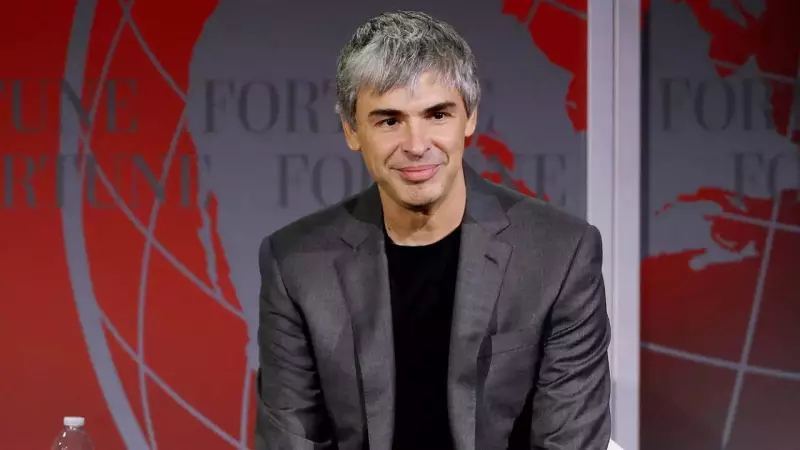
California, the global hub of technology and innovation, is facing the prospect of a significant exodus of its wealthiest residents. A proposed new tax targeting the ultra-rich is prompting some of the state's most prominent tech billionaires, including Google co-founder Larry Page and venture capitalist Peter Thiel, to consider severing ties with the Golden State.
The Billionaire Tax That's Causing Ripples
The root of this potential migration is a ballot initiative backed by the SEIU-United Healthcare Workers West union. This measure proposes a one-time 5% tax on the net worth of residents exceeding $1 billion. If approved, it could generate an estimated $100 billion from roughly 200 individuals. Crucially, the tax would be applied retroactively to anyone who was a California resident as of January 1, 2026.
The financial implications for individuals are staggering. For Larry Page, with an estimated net worth of $258 billion, the levy could translate to a one-time bill surpassing $12 billion. For Peter Thiel, valued at around $27.5 billion, the liability could be more than $1.2 billion.

Preparing for an Exit: Signs of Departure
Concrete steps suggesting a relocation are already underway. Peter Thiel, 58, who owns a home in Hollywood Hills, is reportedly exploring options to open an office for his Thiel Capital in another state and spend less time in California.
More definitive signals come from Larry Page, 52, a long-time Palo Alto resident. He is said to be in discussions about leaving the region by the end of this year. In a clear preparatory move, three Limited Liability Companies (LLCs) linked to Page filed incorporation documents in Florida in December, a state with no personal income tax.
Political Backlash and Warnings of Economic Harm
The proposal has ignited a fierce political and economic debate. California Governor Gavin Newsom has publicly opposed the measure, labelling state-level wealth taxes as "not pragmatic." He is raising funds for a committee to fight the proposal, which has already attracted donations from Silicon Valley investors like Ron Conway.
Prominent voices in the investment community are warning of severe consequences. Tech investor Chamath Palihapitiya predicted an exodus, stating that talented entrepreneurs will choose to build companies in "less regressive states." Hedge fund billionaire Bill Ackman echoed this on social media platform X, writing, "California is on a path to self-destruction. Hollywood is already toast and now the most productive entrepreneurs will leave taking their tax revenues and job creation elsewhere."
Ackman criticized the state's political leadership, arguing that such aggressive tax policies drive out the very entrepreneurs who fuel job creation and economic growth. This debate unfolds against a national backdrop of concern over income inequality. Data from the Congressional Budget Office highlights the disparity, showing the top 10% of families hold 69% of wealth, compared to just 3% for the bottom 50%.
While California's Legislative Analyst's Office estimates the tax could bring in tens of billions initially, it also warns of a potential long-term downside. If billionaires relocate, the state could see a yearly decline of hundreds of millions in ongoing income tax revenue, posing a significant risk to its fiscal health.