

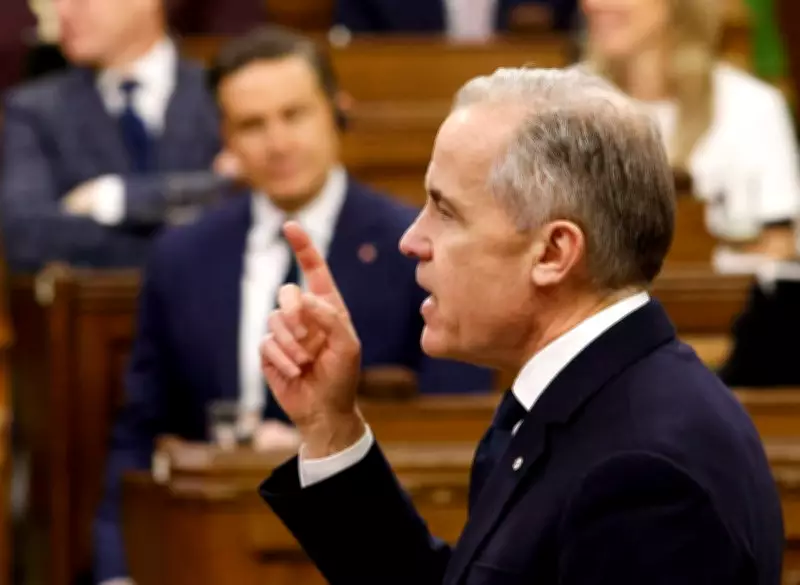
Mark Carney Issues Stern Warning to Washington Over Canadian Sovereignty
In a significant diplomatic development, Mark Carney, the former Governor of the Bank of England, has publicly cautioned the United States against interfering in Canada's internal affairs. This warning comes amid heightened tensions following reports on separatist movements in Alberta, a province known for its rich oil sands and distinct political identity.
Background on the Alberta Separatist Report
The controversy stems from recent media coverage and political analyses highlighting growing separatist sentiments in Alberta. This western Canadian province has long expressed frustrations over federal policies, particularly those related to energy and taxation, leading some groups to advocate for greater autonomy or even independence. Carney's comments are seen as a direct response to potential external influences, especially from Washington, that could exacerbate these domestic issues.
Carney's Emphasis on National Sovereignty
Mark Carney, who has served in prominent roles including at the Bank of Canada and the Bank of England, stressed the importance of respecting Canada's sovereignty. He argued that foreign interference, whether overt or subtle, undermines democratic processes and could destabilize the country's political landscape. His warning is particularly poignant given his extensive experience in international finance and governance, making him a credible voice on matters of national integrity.

"Canada must be allowed to address its internal challenges without external pressures," Carney implied, highlighting that such meddling could have far-reaching consequences for bilateral relations. This stance aligns with broader concerns in Ottawa about protecting democratic institutions from foreign influence.
Implications for US-Canada Relations
The warning from Carney adds a new layer to the complex relationship between the United States and Canada. Historically, these two nations have enjoyed strong ties, but issues like trade disputes, environmental policies, and now potential interference in domestic politics could strain this partnership. Key points to consider include:
- Diplomatic Fallout: Any perceived interference by Washington could lead to diplomatic tensions, affecting cooperation on shared goals such as climate change and security.
- Economic Impact: As major trading partners, disruptions in political relations might spill over into economic sectors, impacting industries from energy to agriculture.
- Public Perception: Carney's warning may resonate with Canadians who value their country's independence, potentially influencing public opinion and policy decisions.
Broader Context of Separatist Movements in Canada
Alberta is not the first region in Canada to experience separatist sentiments; Quebec has a long history of sovereignty movements. However, the current situation in Alberta is unique due to its economic reliance on the oil industry and recent federal policies that some residents view as unfavorable. Carney's intervention underscores the need for a nuanced approach to these internal dynamics, without external actors complicating the discourse.
In conclusion, Mark Carney's warning serves as a timely reminder of the delicate balance in international relations. By advocating for non-interference, he reinforces the principle that sovereign nations must navigate their own political challenges. As this story develops, it will be crucial to monitor how Washington responds and whether this affects the broader geopolitical landscape in North America.






