US Companies Withdraw H-1B Sponsorship Promises for F-1 Visa Students
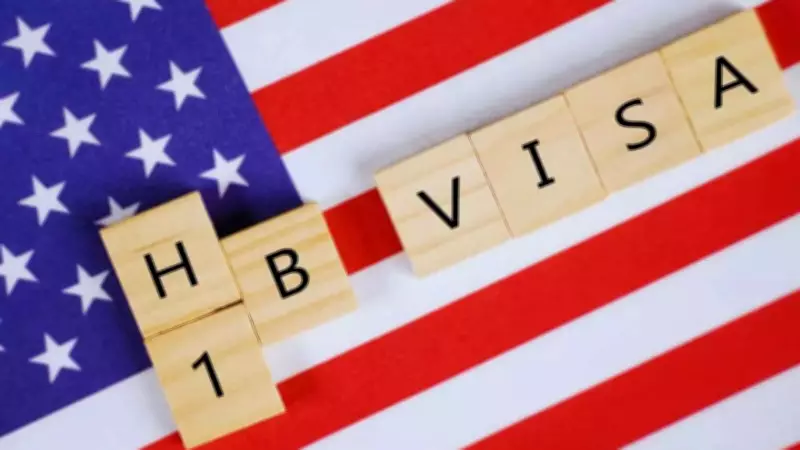
International students in the United States on F-1 visas, currently working through Optional Practical Training (OPT) or its extension, are facing a distressing new challenge. Numerous students have reported that companies which previously committed to sponsoring their H-1B work visas are now withdrawing that support at the last possible moment. This sudden reversal occurs just days before the H-1B cap registration period begins on March 4, leaving affected students with limited options to maintain their legal status in the country.
Last-Minute Reversals Leave Students Stranded
The timing of these sponsorship withdrawals is particularly problematic. Students who are already physically present in the United States on F-1 visas would not require their employers to pay the substantial $100,000 fee typically associated with H-1B petitions for workers outside the country. Despite this significant financial advantage, companies are still reneging on earlier promises to proceed with the visa sponsorship process.
One Redditor, currently on F-1 OPT status, shared their experience: "My company had verbally confirmed that they would sponsor my H1B this year. I planned everything around that commitment—I stayed with them, declined other job offers, and trusted their word. Now, at the eleventh hour, they're saying they won't sponsor anymore. This is an Indian consultancy company, and I'm hearing that several other Indian consultancies are similarly backing away from sponsoring OPT candidates."

The student expressed profound disappointment, adding: "I feel terrible and honestly cheated. If they had informed me earlier, I could have pursued opportunities elsewhere. Changing this decision so late jeopardizes both my immigration status and my entire career trajectory."
A Broader Pattern of Immigration Challenges
This development represents yet another obstacle in an already difficult landscape for foreign workers in the United States. The situation unfolds against a backdrop where thousands of Indian nationals remain stranded in India without visa stamping appointments, numerous professionals have experienced layoffs, and many have had their H-1B visas canceled amid allegations of working remotely for U.S. companies from abroad.
Another Redditor highlighted concerning trends in the employment market: "I've been observing that companies are increasingly reluctant to hire H-1B visa holders. They're not even willing to accept visa transfers. When questioned, they cite internal policies rather than legal procedures. Are companies being targeted by government authorities for employing H-1B candidates? This seems like a particularly challenging time to maintain H-1B status, as I'm receiving numerous calls for contract roles requiring OPT Employment Authorization Documents, but no opportunities for current H-1B holders."
Limited Impact of Trump-Era Visa Fee
Separately, government data reveals that only about 70 employers have paid the $100,000 fee imposed on H-1B workers from outside the United States since its implementation through a September White House proclamation. A government attorney disclosed this information during a recent lawsuit hearing concerning the controversial visa fee. This low compliance rate suggests the fee has had minimal effect on sponsorship patterns for overseas candidates, yet domestic students still face sponsorship barriers.
The convergence of these factors—last-minute sponsorship withdrawals, broader immigration uncertainties, and evolving corporate policies—creates a perfect storm for international students seeking to transition from F-1 to H-1B status. As the March registration deadline approaches, affected students must navigate these challenges with limited time and resources, highlighting the precarious nature of the U.S. immigration system for temporary workers.