U.S. Congressman Randy Fine Sparks National Fury With 'Dogs or Muslims' Hate Post
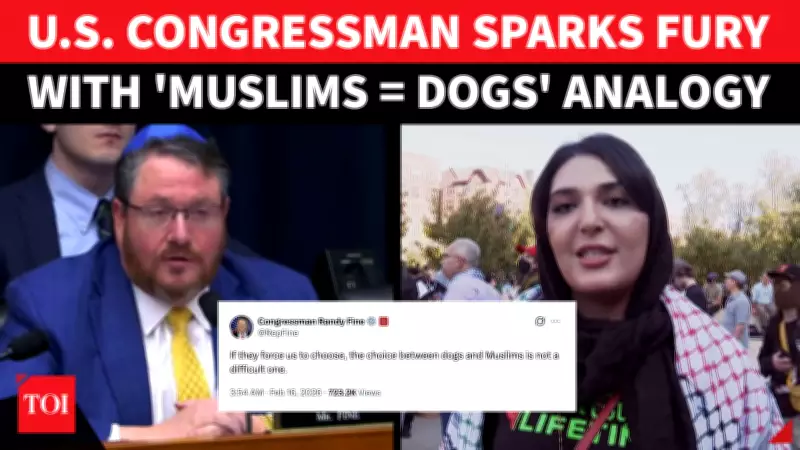
Florida Congressman Randy Fine has triggered a massive national firestorm after posting a highly inflammatory statement on social media, declaring that choosing between "dogs and Muslims is not difficult." The controversial remark has ignited widespread outrage and intense debate across the United States, highlighting deep divisions over Islamophobia, free speech, and political accountability.
The Controversial Post and Its Context
The congressman's post came in direct response to activist Nerdeen Kiswani's earlier comments about dogs as indoor pets in New York City. Kiswani, who later claimed her post was intended as a joke, made remarks that some interpreted as critical of keeping dogs as pets in urban environments. However, Fine's response escalated the situation dramatically, with critics immediately condemning his statement as crossing a dangerous line into dehumanizing rhetoric.
While some supporters have defended Fine's right to express his views, opponents have characterized his language as blatantly Islamophobic and harmful. The controversy has rapidly spread beyond social media platforms, becoming a focal point in discussions about the boundaries of acceptable political discourse in America's increasingly polarized online landscape.

National Debate Over Islamophobia and Free Speech
The incident has intensified ongoing debates about several critical issues in American society:
- Islamophobia in Politics: Many commentators have pointed to Fine's post as evidence of rising anti-Muslim sentiment within certain political circles, raising concerns about the normalization of such rhetoric in mainstream discourse.
- Free Speech Boundaries: The controversy has sparked renewed discussion about where the line should be drawn between protected speech and hate speech, particularly for elected officials who hold positions of public trust.
- Political Accountability: Questions are being raised about whether there should be consequences for politicians who engage in what critics describe as dehumanizing language toward religious or ethnic groups.
- Online Polarization: The rapid spread of the controversy highlights how social media platforms can amplify divisive rhetoric and contribute to the deepening political divides in American society.
Reactions and Ramifications
The response to Fine's post has been swift and polarized. Civil rights organizations and Muslim advocacy groups have condemned the statement as dangerous and inflammatory, calling for greater accountability from elected officials. Meanwhile, some conservative commentators have defended Fine's right to express his views, framing the controversy as part of broader debates about cultural values and free expression.
Political analysts note that incidents like this one have become increasingly common in the current political climate, where provocative statements often generate significant attention on social media platforms. The controversy surrounding Randy Fine's post continues to evolve, with implications for how similar incidents might be addressed in the future by both political institutions and social media companies.
As the national conversation unfolds, the fundamental questions raised by this incident remain unresolved: How should society balance free speech protections with concerns about hateful rhetoric? What responsibilities do elected officials have in modeling respectful discourse? And how can democratic societies address rising polarization without compromising fundamental rights?