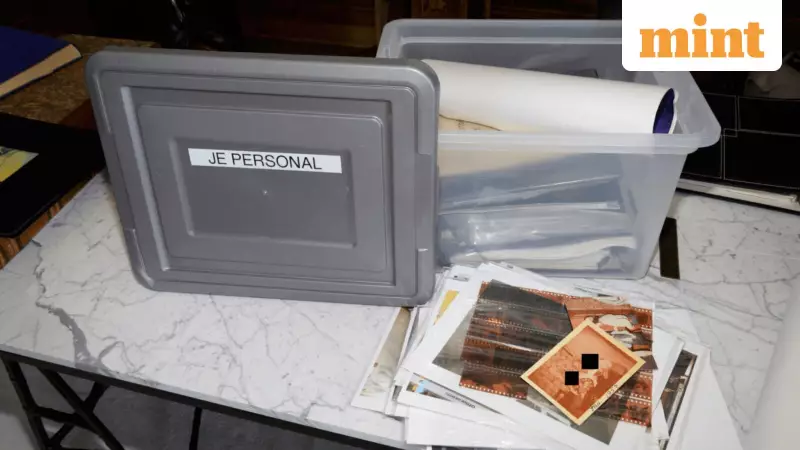
The US Department of Justice (DOJ) has found itself at the centre of a fresh controversy after it removed over a dozen photographs from a massive public release of documents related to the late financier and convicted sex offender Jeffrey Epstein. The move, which occurred just hours after the files went live, sparked immediate allegations of a cover-up to protect former President Donald Trump, whose image appeared in one of the deleted photos.
Blanche Addresses the Controversy
Deputy Attorney General Todd Blanche directly addressed the growing speculation in an interview with NBC's 'Meet the Press' on Sunday. He confirmed that photos, including one featuring Donald Trump, had been taken down from the DOJ website. However, he firmly stated the action was "nothing to do with President Trump."
Blanche explained that the decision followed concerns raised by victim advocacy groups. The specific photo in question, known as 'file 468', showed an open drawer containing a printed picture of Trump with his wife Melania, Epstein, and his associate Ghislaine Maxwell. "You can see in that photo there are photographs of women. And so we learned after releasing that photograph that there were concerns about those women and the fact that we had put that photo up. So we pulled that photo down," Blanche told NBC.

Timing and Transparency Under Scrutiny
The controversy erupted on Friday when the DOJ, complying with the congressional mandate of the Epstein Files Transparency Act, released thousands of pages of records. This trove included flight logs, grand jury transcripts, contact lists, and previously unseen photographs from Epstein's possessions. The files named or pictured numerous high-profile figures like former President Bill Clinton, Britain's Prince Andrew, and celebrities including Michael Jackson and Kevin Spacey.
However, reports from outlets like the New York Post indicated that around 15 to 16 photos uploaded initially were deleted shortly after. Critics immediately questioned the timing, suggesting the DOJ was attempting to obscure evidence. Further fuelling the criticism were extensive redactions in the documents, with one 119-page grand jury file from New York being entirely blacked out initially, seemingly contradicting the spirit of full disclosure mandated by the law.
DOJ's Response and Revised Releases
Facing a wave of harsh criticism, the DOJ issued a statement saying, "Photos and other materials will continue being reviewed and redacted consistent with the law in an abundance of caution as we receive additional information." In a significant reversal, the department re-released the heavily redacted grand jury document on Sunday with "minimal redactions."
When journalists pointed out inconsistencies—such as a document being re-uploaded with more redactions than a version made public in January 2024—the DOJ distanced itself. The department claimed the redactions were applied when the documents were originally filed in court cases and they were simply reproducing what they had on record.
The entire episode underscores the intense public and media scrutiny surrounding the Epstein case. The release of the files was itself the result of a bipartisan push in Congress, overcoming objections from Donald Trump during his presidency. As the DOJ continues to manage the release, balancing legal obligations with demands for transparency remains a formidable challenge, with every edit and removal being closely watched and interpreted.