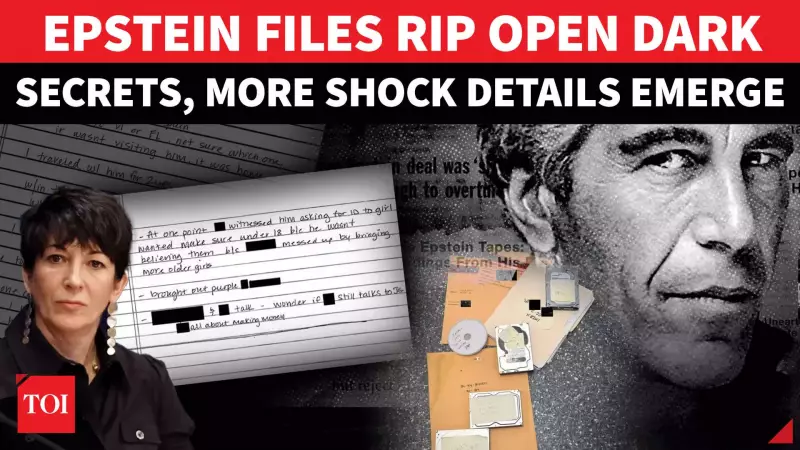
The shadow of the Jeffrey Epstein scandal continues to loom large, with the latest document release by the US Department of Justice (DOJ) on December 21, 2025, raising more questions than answers. While hundreds of new pages have been made public, a significant portion remains blacked out, fueling criticism over a lack of transparency and concerns about who is being protected.
Details Emerge Amidst Heavy Redactions
The fresh dump of documents includes a variety of materials such as photographs, grand jury records, and witness testimonies. These items collectively hint at the vast and hidden network allegedly operated by the late financier and convicted sex offender, Jeffrey Epstein. Among the details that surfaced is a message attributed to former President Donald Trump, which included the phrase "Too Old Women Not Need." The context and full content of this communication remain partially obscured due to the extensive redactions.
Furthermore, the files shed more light on the role of Ghislaine Maxwell, Epstein's longtime associate who is currently serving a 20-year prison sentence. The documents suggest a systematic operation, with one revelation stating that Epstein verified girls were under 18 before abuse and allegedly expressed a desire to have his own "harem."

Lawmakers and Survivors Demand Full Transparency
The heavily censored nature of the release has drawn immediate fire from lawmakers and advocates for the survivors. Elected officials are openly questioning the rationale behind keeping so much information sealed, asking precisely whose interests are being served by the ongoing secrecy. The fight for complete disclosure is seen as integral to achieving full justice.
Survivors of Epstein's abuse have consistently argued that justice remains incomplete without a full and unredacted public accounting of all individuals involved in the network. The latest document dump, while providing some new disturbing details, has done little to assuage their concerns. They maintain that the "Epstein shadow" is far from fading as long as key information remains hidden from public view.
A Global Story with Political Repercussions
The release has ignited political reactions beyond the immediate legal implications. Figures like Congresswoman Marjorie Taylor Greene have publicly criticized the redactions, arguing that the whole point of releasing the files was not to hide information. The scandal continues to intersect with high-profile names, ensuring it remains a potent and controversial topic in the American political landscape.
This development is part of a broader narrative of delayed accountability and institutional opacity surrounding one of the most infamous sex trafficking cases in modern history. The public and the media are left to piece together a puzzle where crucial pieces are deliberately withheld, sustaining doubts about the commitment to a thorough and transparent investigation.