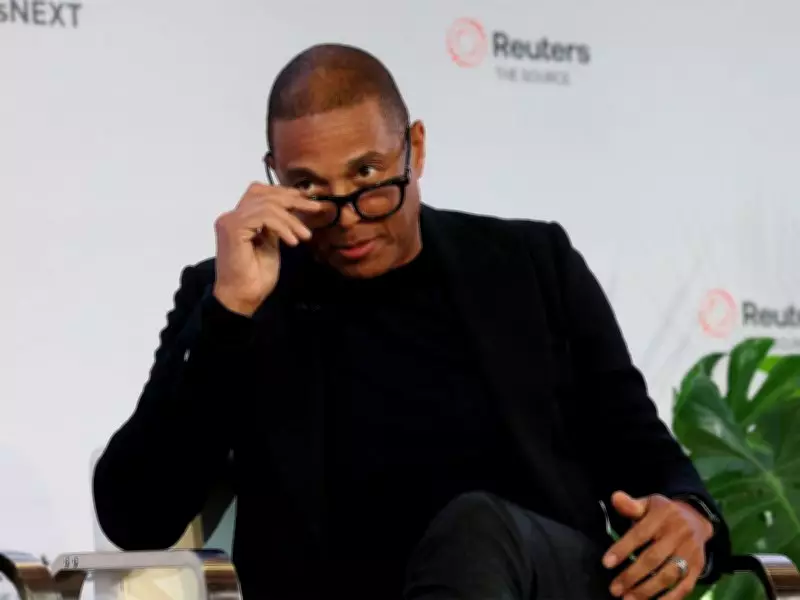
US Journalist Don Lemon Taken Into Custody by Federal Agents After Minnesota Church Protest
In a significant development that has captured national attention, prominent US journalist Don Lemon was taken into custody by federal agents following his involvement in a protest at a church in Minnesota. The incident occurred after Lemon participated in a demonstration at the church, which reportedly centered on social or political issues, though specific details of the protest remain under investigation by authorities.
Details of the Incident and Custody
According to reports, federal agents moved to detain Don Lemon shortly after the protest concluded at the Minnesota church. The exact charges or reasons for his custody have not been fully disclosed by federal officials, leading to speculation and concern among media circles and the public. Lemon, known for his high-profile career in journalism, including roles at major news networks, was reportedly cooperative during the detention process, but the event has raised questions about the boundaries between lawful protest and federal intervention.
The protest itself is said to have involved a group of activists gathering at the church to voice grievances, possibly related to community or national issues. While the nature of the demonstration is still being clarified, it appears to have drawn the attention of federal authorities, who deemed Lemon's participation grounds for taking him into custody. This action underscores the increasing scrutiny on public figures and journalists in the context of civil unrest and law enforcement responses across the United States.

Implications for Press Freedom and Public Reaction
The detention of Don Lemon has ignited a broader debate on press freedom and the role of journalists in covering or participating in protests. Many advocates argue that journalists should be protected under the First Amendment, even when they are involved in demonstrations, as their work often requires engagement with contentious issues. However, federal agents may have acted based on specific legal provisions or concerns about public safety during the protest.
Reactions from the media community have been swift, with calls for transparency regarding the reasons behind Lemon's custody. Some commentators suggest that this incident could set a precedent for how journalists are treated in similar situations, potentially chilling investigative reporting or activism. On the other hand, law enforcement officials emphasize the need to maintain order and address any violations that may have occurred during the protest, regardless of an individual's profession.
Background on Don Lemon and the Minnesota Context
Don Lemon is a well-known figure in American journalism, having worked for networks like CNN, where he hosted primetime shows and covered major news events. His career has often intersected with discussions on race, politics, and social justice, making his involvement in a church protest particularly noteworthy. Minnesota, the site of the incident, has been a focal point for protests in recent years, especially following events like the George Floyd case, which sparked nationwide movements.
The church where the protest took place has not been named in initial reports, but it is likely a local institution that has become a venue for community activism. Federal agents' involvement suggests that the protest may have escalated or involved elements that fall under federal jurisdiction, such as interstate issues or threats to national security. As the situation unfolds, further details are expected to emerge from official statements and legal proceedings.
In summary, the custody of Don Lemon by federal agents after a Minnesota church protest highlights ongoing tensions between civil liberties and law enforcement in the US. It serves as a reminder of the complex dynamics at play when journalists engage in public demonstrations, and it may influence future policies on media freedom and protest rights.