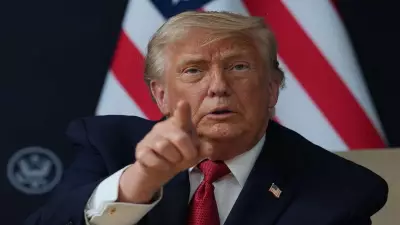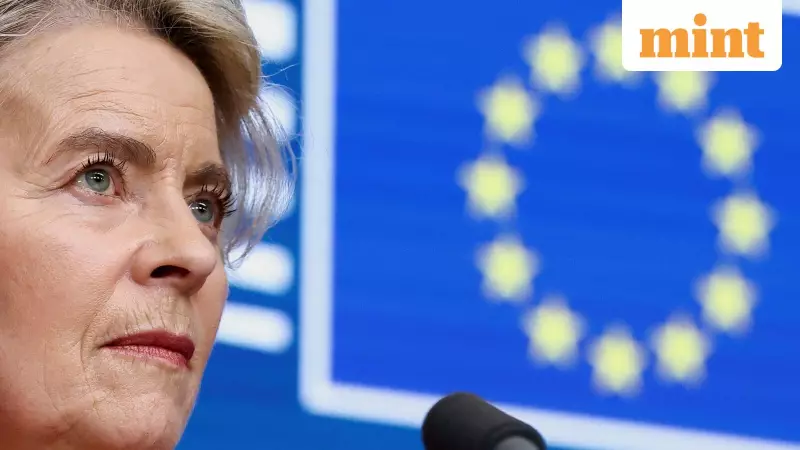
European Union leaders collectively exhaled with palpable relief as United States President Donald Trump executed a significant policy reversal regarding Greenland. This development came after Trump's earlier menacing statements about acquiring the Arctic territory, which had sent shockwaves through diplomatic circles.
Emergency Summit in Brussels Addresses Transatlantic Tensions
In response to the escalating situation, EU leaders convened for an urgent late-night summit in Brussels on Thursday. The gathering was specifically organized to reassess the complex relationship between the European Union and the United States in light of recent threats. According to reports from Reuters, the summit did not yield any concrete decisions but served as a crucial platform for coordination and discussion.
Trade Deal Suspension and Potential Resumption
The European Parliament had previously suspended ratification of the comprehensive EU-US trade agreement as a direct protest against American pressure tactics concerning Greenland. Leaders at the summit emphasized their desire to get this vital trade deal back on track now that tensions have somewhat eased. European Parliament President Roberta Metsola indicated that lawmakers are likely to resume their ratification work following Trump's withdrawal of threats.

Firm Stance Against Coercion
Despite the temporary de-escalation, EU leaders issued clear warnings about their readiness to respond forcefully to any future threats. European Commission President Ursula von der Leyen stated, "We were successful by being firm", referring to the strategy that led Trump to abandon his aggressive posture toward Europe over Greenland.
French President Emmanuel Macron struck a cautiously optimistic tone while maintaining vigilance: "Things are quietening down and we should welcome that. We remain extremely vigilant and ready to use the instruments at our disposal should we find ourselves the target of threats again." Macron specifically referenced the "bazooka" trade sanctions the bloc had considered deploying as a retaliatory measure.
Unified European Position
European Council President Antonio Costa reinforced the collective stance: "The EU will defend itself, its member states, its citizens and its companies, against any form of coercion." This sentiment was echoed across the leadership, with most emphasizing that the transatlantic relationship remains fundamentally important to European interests.
The bloc's foreign policy chief, Kaja Kallas, articulated this balanced approach: "Europe is not willing to junk 80 years of good transatlantic relations because of disagreements ... we are willing to invest our time and energy in this."
National Perspectives on Sovereignty and Cooperation
Danish Prime Minister Mette Frederiksen, whose country maintains sovereignty over Greenland, expressed willingness to discuss security cooperation with the United States—but only under specific conditions: "I am more than ready to discuss security cooperation in Greenland with the United States - as long as it fully respects our sovereignty. We have to work together respectfully without threatening each other."
Polish Prime Minister Donald Tusk offered philosophical distinction: "It is important for ... our partners in Washington to understand the difference between domination and leadership. Leadership is OK. Coercion is not a good method."
Retaliatory Measures That Were Prepared
Officials revealed to Reuters that the European Union had prepared a substantial package of retaliatory measures in case Trump had proceeded with his threatened tariffs scheduled for February 1. This package included:
- Targeted tariffs on 93 billion euros (approximately $108.74 billion) worth of American imports
- Comprehensive anti-coercion measures designed to protect European economic interests
- Coordinated diplomatic and economic responses across member states
The Thursday evening summit was specifically convened after Trump had threatened not only steep tariffs but also hinted at potential military action regarding Greenland, before ultimately pulling back from these extreme positions and suggesting a diplomatic resolution might be achievable.

While immediate crisis appears to have been averted, European leaders made clear they will maintain heightened awareness and preparedness in their dealings with the United States, valuing the relationship but insisting on mutual respect and rejection of coercive tactics in international diplomacy.