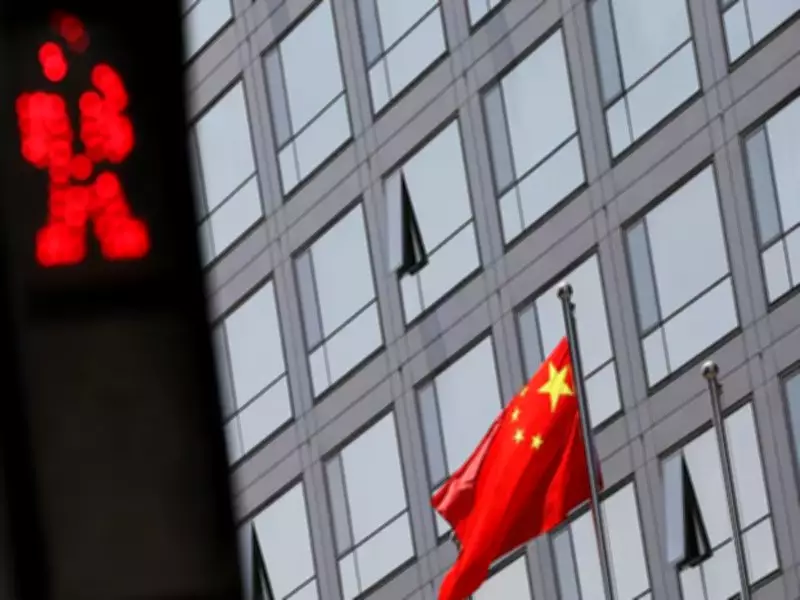
FCC Signals Potential Ban on Chinese Telecom Giants in the US
The Federal Communications Commission (FCC) has recently hinted at a possible ban on major Chinese telecommunications companies from operating within the United States. This move is driven by escalating national security concerns, as US officials fear that these firms could pose risks to critical infrastructure and data privacy.
Background and Rationale for the Proposed Action
In recent years, the US government has grown increasingly wary of Chinese technology companies, particularly in the telecom sector. The FCC's consideration of a ban follows a series of investigations and reports highlighting potential vulnerabilities. Authorities argue that allowing these companies to operate in the US could enable espionage or cyberattacks, threatening both economic and national security interests.
Key companies under scrutiny include industry leaders such as Huawei and ZTE, which have faced similar restrictions in the past. The FCC's stance aligns with broader US policies aimed at limiting Chinese influence in critical technology domains, reflecting ongoing geopolitical tensions between the two nations.

Implications for the Telecommunications Industry
If implemented, this ban could have significant repercussions for the US telecom market. It may lead to:
- Reduced competition and higher costs for consumers, as Chinese firms often offer affordable equipment and services.
- Disruptions in supply chains, forcing US companies to seek alternatives from other countries.
- Increased reliance on domestic or allied-nation providers, potentially spurring innovation but also raising prices.
Industry experts note that such a move could accelerate the decoupling of US and Chinese tech sectors, further fragmenting global telecommunications networks. This development is part of a larger trend where nations are reassessing their dependencies on foreign technology for security reasons.
Next Steps and Potential Outcomes
The FCC is expected to conduct further reviews and consultations before making a final decision. This process will likely involve:
- Gathering input from stakeholders, including telecom companies and security agencies.
- Assessing the legal and economic impacts of a potential ban.
- Considering alternative measures, such as enhanced oversight or stricter regulations, instead of an outright prohibition.
While the outcome remains uncertain, the FCC's hints suggest a growing consensus in Washington to take a harder line on Chinese telecom operations. This could set a precedent for other countries to follow, influencing global telecom policies and international relations in the coming years.