

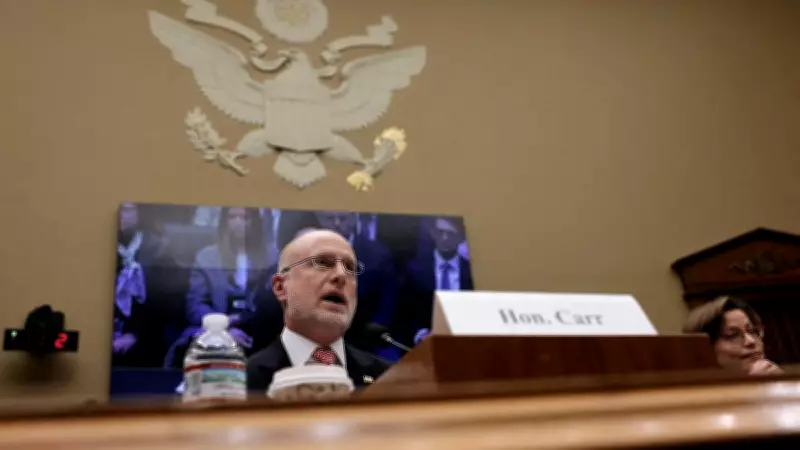
FCC Chairman Issues Stern Warning to TV Networks Over Iran War Reporting
In a dramatic escalation of tensions between U.S. regulatory bodies and the media, Federal Communications Commission (FCC) Chairman Brendan Carr has issued a stark warning to television networks regarding their coverage of the Iran war. Carr explicitly threatened broadcasters with potential license revocation if they fail to align their reporting with what he deems the public interest.
Trump Applauds FCC Move Amid Growing Controversy
The FCC chairman's warning comes in the wake of sharp criticism from former President Donald Trump, who has repeatedly lashed out at media outlets for their handling of Iran-related news. Trump publicly applauded Carr's stance, praising it as a necessary step to ensure accurate and responsible journalism. This endorsement has further polarized opinions, with supporters viewing it as a defense of national security and critics decrying it as an attack on press freedom.
Backlash Erupts Over Threats to Broadcast Licenses
Carr's directive, which urges news broadcasters to 'correct course' and 'operate in the public interest,' has sparked immediate and widespread backlash from media organizations, free speech advocates, and political opponents. Critics argue that such threats undermine the First Amendment and set a dangerous precedent for government interference in editorial decisions. The controversy highlights ongoing debates about media accountability versus independence in the United States.

Key Points of the FCC Warning:
- Carr emphasized that broadcast licenses are contingent on serving the public interest, as defined by FCC regulations.
- He called for networks to reassess their Iran war coverage to avoid what he described as misleading or biased reporting.
- The warning has raised concerns about potential chilling effects on journalistic practices across the industry.
This development occurs against a backdrop of heightened geopolitical tensions involving Iran, making media coverage a focal point of political discourse. The FCC's role in overseeing broadcast content has historically been limited to issues like obscenity and fairness, but Carr's move signals a potential expansion into editorial oversight, stirring legal and ethical questions.
As the situation unfolds, stakeholders are closely monitoring responses from major networks and legal challenges that may arise. The incident underscores the fragile balance between regulatory authority and press freedom in the digital age, with implications for future media governance in the United States and beyond.






