

Frenchman's Harrowing US Immigration Detention: A Month of Handcuffs and Overcrowding
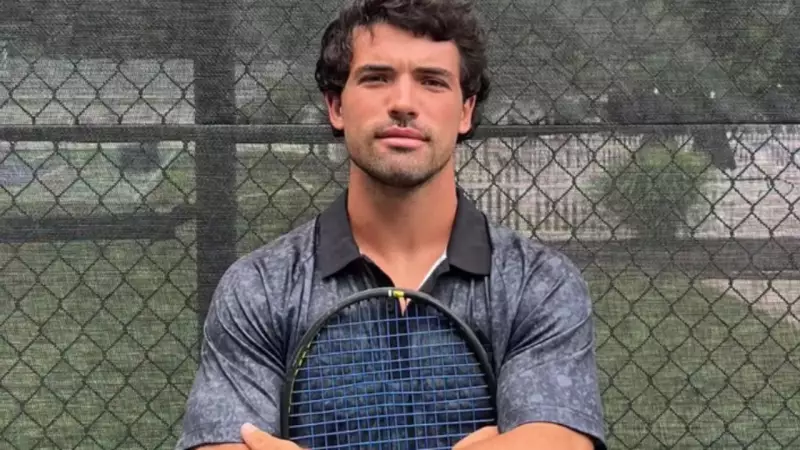
A 26-year-old Frenchman, Julien Pereira, has shared the distressing details of his month-long detention by US immigration authorities, painting a grim picture of handcuffs, exhausting transfers, and severely overcrowded facilities. In an interview reported by HuffPost, Pereira described the experience as leaving him physically and emotionally drained, a stark contrast to the American dream he once pursued.
From Tennis Dreams to Legal Limbo
Pereira arrived in the United States at the age of 17, filled with aspirations to study and compete in tennis at a high level. Over the next seven years, he navigated the student visa process diligently, earning both a bachelor's degree and an MBA before securing employment in Connecticut. "I had done everything by the book. I thought I was protected," he recalled, highlighting his belief in following proper legal channels.
After his final visa expired, Pereira accepted a job at a tennis club in Connecticut, with his employer assuring him that a work visa was being processed through a New York lawyer. Confident in his legal standing, he began working. However, in March 2025, his employer abruptly informed him of an administrative issue that invalidated his visa. His lawyer then urged him to leave the country immediately.

Border Rejection and Detention
Unable to secure a flight to France, Pereira drove to the Canadian border, only to be refused entry and returned to the United States. There, he was detained by Customs and Border Protection. "I tried to explain my situation. I told them my visa application was in progress. They checked their database and told me there were no pending visa applications. Therefore, I was in the country illegally," he explained, underscoring the bureaucratic disconnect he faced.
The Detention Experience: Handcuffs and Overcrowding
Pereira spent two and a half days at a detention centre in New York before being transferred via prison bus to a federal facility in Batavia, Illinois. During the transfer, he was handcuffed at his wrists, waist, and ankles. "They handcuffed me like a criminal. I told them I had no criminal record. They replied that it was standard procedure," he said, expressing his shock at the treatment.
At Batavia, conditions worsened as he was placed in a dormitory housing 80 people, forced to sleep on a mattress on the floor with lights perpetually on. "We no longer have names. We're just numbers. Their goal is to break you down," Pereira lamented. The food provided was insufficient and sometimes expired, leading him to lose seven kilograms over the month.
Transfers and Private Detention Centers
After two weeks, Pereira was transferred over 4,000 kilometres to a private detention centre in California. These transfers automatically cancelled ongoing court hearings, prolonging his detention unnecessarily. He criticized the system, stating, "Prisons are run by private companies that make money by keeping you in as long as possible. It's a real prisoner factory. A private machine running at full capacity."
Release and Final Judgment
Pereira was eventually released at 3:00 am at the Mexican border after posting $5,000 bail and being fitted with an electronic bracelet. "They removed the handcuffs and said, 'This side is Mexico. The other is the United States.' And that was it," he recounted, left with no money, documents, or a working phone.
Finally, on April 15, 2025, Pereira appeared before a judge and was granted a one-month grace period to settle his affairs before leaving the US. Reflecting on his ordeal, he said, "I love Americans. This country gave me a chance. But the system has become inhumane. And it's now run by incompetents." His story sheds light on the challenges faced by immigrants in the US immigration system, raising questions about its humanity and efficiency.






