

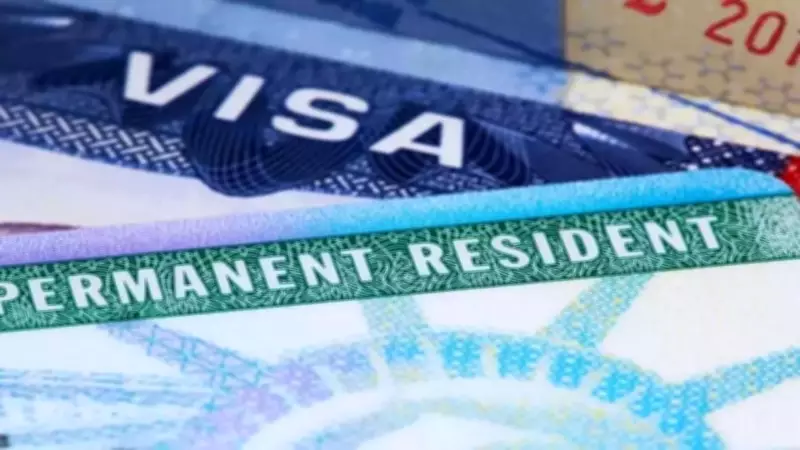
Understanding Your Green Card Status: Rights and Legal Obligations
After years of waiting and extensive paperwork, receiving a Green Card in the United States marks a significant milestone. However, it also introduces a new set of laws and responsibilities that many holders misunderstand. Immigration attorney Moumita Rahman provides crucial insights into what happens after obtaining this status, emphasizing that a Green Card confers legal permanent residency, not citizenship.
What a Green Card Holder Can Do
Eligibility for US Citizenship: A Green Card holder becomes eligible to apply for naturalization. If you received your Green Card through marriage to a US citizen and continue living with your spouse, you can apply after three years. For other categories, the waiting period is five years.
Family Petitions: You can petition for family members, such as unmarried adult children. However, unlike US citizens, your relatives are not automatically considered immediate family. Approval depends on visa availability, which can lead to delays.

Employment Freedom: You are no longer tied to the employer who sponsored your employment-based Green Card. This allows you to switch jobs or fields, but caution is advised when leaving your sponsor immediately after approval to avoid legal complications.
Business Opportunities: As a Green Card holder, you are permitted to start a company, hire employees, and purchase commercial property, fostering entrepreneurial growth.
What a Green Card Holder Cannot Do
Voting Restrictions: Green Card holders are not allowed to vote in any US election, regardless of how long they have lived in the country or their tax contributions. Misrepresenting yourself as a citizen to vote can result in severe penalties.
Jury Duty Exemption: You cannot serve on a jury. If you receive a jury duty notice, you must inform authorities that you are a Green Card holder, not a US citizen.
Citizenship Claims: Never claim to be a US citizen on any form. Checking the citizenship box incorrectly can lead to legal troubles, including deportation or denial of future immigration benefits.
What a Green Card Holder Must Do
Tax Filing: You must file taxes annually as a US tax resident, reporting worldwide income. This is mandatory, similar to citizens, and should not be filed as a nonresident alien.
Address Updates: Keep your address updated with USCIS within 10 days of moving, even for minor relocations like moving across the street, to ensure compliance with immigration regulations.
Card Maintenance: If your Green Card has conditions, such as those from marriage-based cards, you must remove them promptly. Always renew your Green Card before it expires to maintain legal status.
Selective Service: Males aged 18 to 25 must register for the Selective Service within 30 days of turning 18 or receiving a Green Card, whichever comes first.
Physical Presence: Maintain physical presence in the US for at least six months to avoid jeopardizing your residency status.
By understanding these rights and responsibilities, Green Card holders can navigate their status effectively and avoid common pitfalls that could impact their future in the United States.






