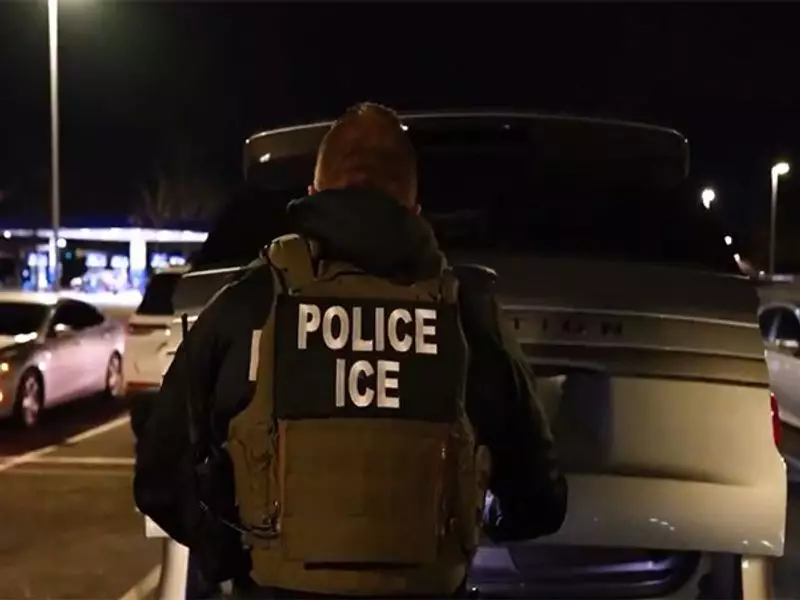
ICE Agents in US May Soon Enter Homes Without Warrant, Raising Immigrant Rights Concerns
In a significant development that could reshape immigration enforcement in the United States, Immigration and Customs Enforcement (ICE) officers might soon have the authority to enter homes without a warrant, even if immigrants refuse to open the door. This potential shift in policy is sparking widespread concern among immigrant communities and civil rights advocates, who argue it could undermine constitutional protections and privacy rights.
Current Practices and Legal Framework
Traditionally, immigrants in the US have often refrained from opening their doors to ICE agents during enforcement operations, relying on their Fourth Amendment rights against unreasonable searches and seizures. Under existing legal standards, officers typically require a warrant or consent to enter a private residence, unless there are exigent circumstances, such as an immediate threat to safety or evidence destruction.
However, recent interpretations and proposed changes suggest that ICE may be exploring ways to bypass these requirements. This could involve leveraging administrative warrants or claiming broader authority under immigration laws, which some legal experts say might not provide the same level of judicial oversight as criminal warrants.

Implications for Immigrant Communities
The prospect of warrantless entries has raised alarms about increased fear and insecurity within immigrant populations. Advocates warn that such measures could lead to:
- Erosion of Trust: Immigrants may become more hesitant to report crimes or engage with authorities, fearing potential immigration consequences.
- Legal Vulnerabilities: Families could face sudden disruptions and separations without due process, exacerbating existing tensions in communities.
- Constitutional Challenges: Civil rights organizations are likely to mount legal battles, arguing that warrantless entries violate the Fourth Amendment and other protections.
This development comes amid ongoing debates over immigration policy in the US, where enforcement tactics have often been a point of contention between federal agencies and immigrant rights groups.
Broader Context and Reactions
In response to these concerns, some lawmakers and activists are calling for stricter oversight and transparency in ICE operations. They emphasize the need to balance enforcement goals with respect for individual rights, pointing to potential abuses if warrantless entries become commonplace.
Meanwhile, ICE officials have defended their approach, stating that their primary aim is to uphold immigration laws and ensure public safety. They argue that in certain situations, such as when there is credible information about undocumented individuals or criminal activity, swift action may be necessary without waiting for a warrant.
As this issue unfolds, it highlights the complex interplay between national security, immigration control, and civil liberties in the US. The outcome could set important precedents for how immigration enforcement is conducted in the future, affecting millions of residents and their families.