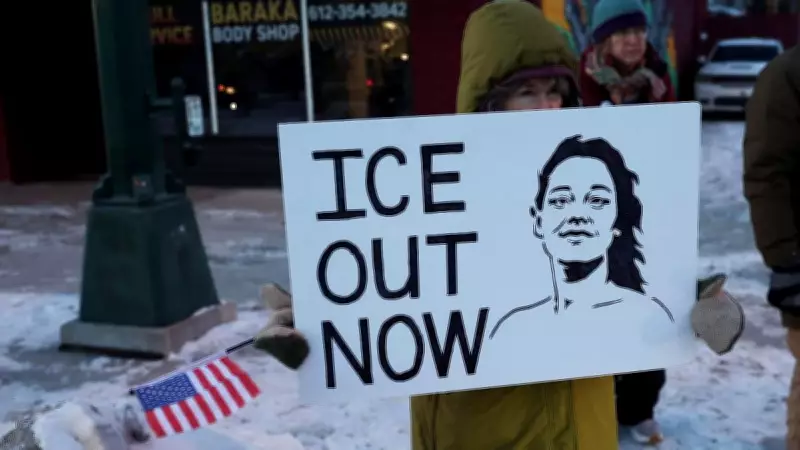
ICE Officers in Minnesota Directed to Steer Clear of 'Agitators' in Updated Operational Guidelines
In a significant policy adjustment, Immigration and Customs Enforcement (ICE) officers operating in Minnesota have been issued new directives instructing them to avoid interactions with individuals labeled as 'agitators' during their enforcement activities. This development, reported by Reuters on January 29, 2026, represents a notable departure from previous practices that have sparked considerable controversy and legal disputes in Minneapolis and various other urban centers across the United States.
A Shift in Enforcement Tactics Amidst Ongoing Backlash
The revised orders explicitly mandate that ICE personnel refrain from engaging with so-called 'agitators,' a term that likely refers to activists, protesters, or community members who may attempt to interfere with or document enforcement actions. This change is seen as a strategic move to mitigate the intense backlash and numerous legal challenges that have arisen from the agency's earlier approach of conducting broad, indiscriminate sweeps. These sweeps, often criticized for their aggressive nature and potential civil rights violations, have been a focal point of public outcry and judicial scrutiny in cities like Minneapolis, where community tensions have run high over immigration policies.
Implications for Immigration Enforcement and Community Relations
The new guidelines are expected to have several key implications for how ICE operations are conducted in Minnesota and potentially beyond:

- Reduced Confrontations: By avoiding 'agitators,' ICE aims to minimize on-the-ground confrontations that could escalate into volatile situations, thereby enhancing officer safety and reducing the risk of incidents that draw negative media attention.
- Legal and Public Relations Strategy: This shift appears to be part of a broader effort to address the legal vulnerabilities and public relations challenges that have plagued the agency. Previous sweeps have faced lawsuits alleging overreach and discrimination, and the new orders may help ICE present a more restrained and targeted enforcement image.
- Impact on Community Dynamics: In communities with significant immigrant populations, such as Minneapolis, the change could alter the dynamics between ICE and local residents. While it may reduce immediate tensions, it also raises questions about how 'agitators' are defined and whether this could lead to more covert or selective enforcement actions.
This policy update comes at a time when immigration enforcement remains a highly polarized issue in the United States, with ongoing debates over the balance between national security, legal compliance, and humanitarian concerns. The directive to avoid 'agitators' reflects an attempt to navigate these complex waters by adopting a more cautious and potentially less visible operational stance.
Broader Context and Future Outlook
The move in Minnesota is part of a larger trend of reevaluating ICE tactics under political and legal pressure. As cities across the U.S. continue to grapple with immigration-related conflicts, similar adjustments may be considered elsewhere to preempt backlash and align with evolving judicial standards. However, the effectiveness of this new approach in achieving its stated goals—such as reducing legal challenges and improving community relations—will depend on its implementation and how it is perceived by both supporters and critics of immigration enforcement.
Overall, the new orders for ICE officers in Minnesota signify a tactical pivot aimed at addressing past controversies while maintaining the agency's core mission. As this story develops, it will be crucial to monitor how these guidelines are applied in practice and what impact they have on the broader landscape of U.S. immigration policy and enforcement.