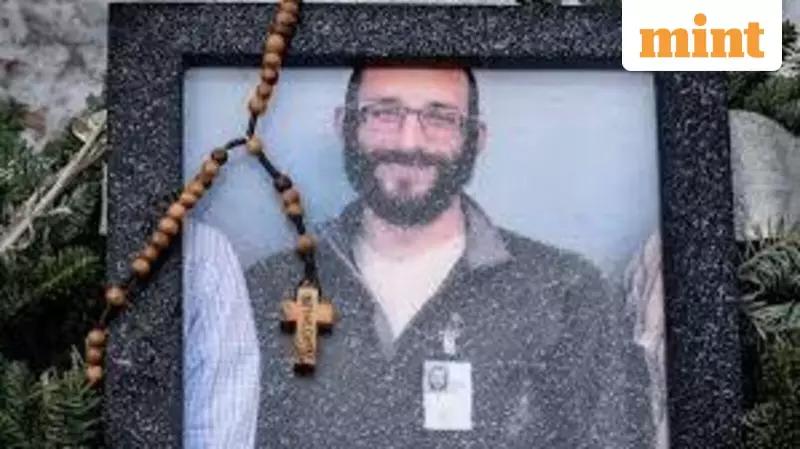
Federal Immigration Agents Placed on Leave After Fatal Shooting of US Citizen in Minneapolis
Federal immigration agents involved in the fatal shooting of 37-year-old US citizen Alex Pretti in Minneapolis on Saturday have been placed on administrative leave, according to reports from MS NOW. This decision comes amid mounting public outrage and political pressure following the incident, which has ignited nationwide debates about immigration enforcement tactics.
Second Fatal Incident in Weeks Sparks Community Anger
The death of Alex Pretti occurred less than three weeks after another tragic shooting in Minneapolis, where 37-year-old mother of three Renee Nicole Good was killed by an Immigration and Customs Enforcement (ICE) agent on January 7. These back-to-back incidents have created a volatile atmosphere in the city, with residents expressing fear and frustration over what they perceive as increasingly aggressive actions by federal officers.
The shooting has drawn sharp criticism from lawmakers across the political spectrum, with both Democratic and Republican voices expressing concern about the use of force. This has led to organized demonstrations throughout Minneapolis, adding to weeks of rising tension surrounding operations conducted by masked and heavily armed officers from ICE and the US Border Patrol.

Political Leaders Condemn Shooting as Against American Values
On Tuesday, Democratic former president Joe Biden addressed the situation directly, stating that the incident "goes against our fundamental American values." Former presidents Bill Clinton and Barack Obama have also commented on the growing controversy, adding their voices to the chorus of concern about law enforcement practices.
Centrist Democratic Senator John Fetterman delivered particularly strong criticism, calling Homeland Security chief Kristi Noem "grossly incompetent" and demanding her removal from the position. The political fallout extends beyond rhetoric, as Democrats have threatened to block routine spending bills scheduled for Senate votes later this week, potentially delaying crucial government funding over the controversy.
Community Response and Video Evidence
Minneapolis residents have expressed profound distress over the incidents. "The entire community is just horrified by all of this. It feels like the government's goal is to intimidate citizens—it's truly frightening," said 68-year-old retiree Stephen McLaughlin, capturing the sentiment of many locals.
Video footage from the Pretti shooting reveals disturbing details about the encounter. According to AFP reports, the footage shows agents wrestling Pretti to the ground and firing at him while he was down. Although Pretti did possess a permit to carry a firearm, the video evidence does not show him holding any weapon at any moment before he was shot, raising serious questions about the justification for the use of lethal force.
Administration Response and Internal Divisions
The intense backlash over Pretti's killing, combined with early administration remarks that appeared to blame the victim, prompted President Donald Trump to announce on Tuesday that his administration would "de-escalate" its actions in Minneapolis in hopes of calming tensions.
Trump defended his embattled Homeland Security chief Kristi Noem, who had previously labeled Pretti a "domestic terrorist," stating she was doing a "very good job" and would not resign despite mounting calls for her dismissal. However, the president showed more caution regarding Border Patrol official Bovino, known for his aggressive, media-focused immigration operations, who had also emphasized the idea that Pretti was dangerous.
"Bovino's very capable, but he's a bit extreme. Sometimes that works, but maybe it wasn't the right approach here," Trump told Fox News, revealing internal divisions within the administration about appropriate enforcement tactics.

Broader Implications for Immigration Policy
This incident represents more than just another law enforcement shooting—it has become a flashpoint in the national debate about immigration enforcement methods, federal overreach, and community-police relations. The placement of agents on administrative leave represents only the first step in what promises to be a lengthy investigation and political battle.
As Minneapolis continues to grapple with the aftermath of these shootings, and as political leaders at the highest levels weigh in on the controversy, the fundamental questions about balancing security concerns with civil liberties remain unresolved. The coming weeks will likely see continued protests, political maneuvering, and potentially significant policy changes as a result of this tragic incident.