

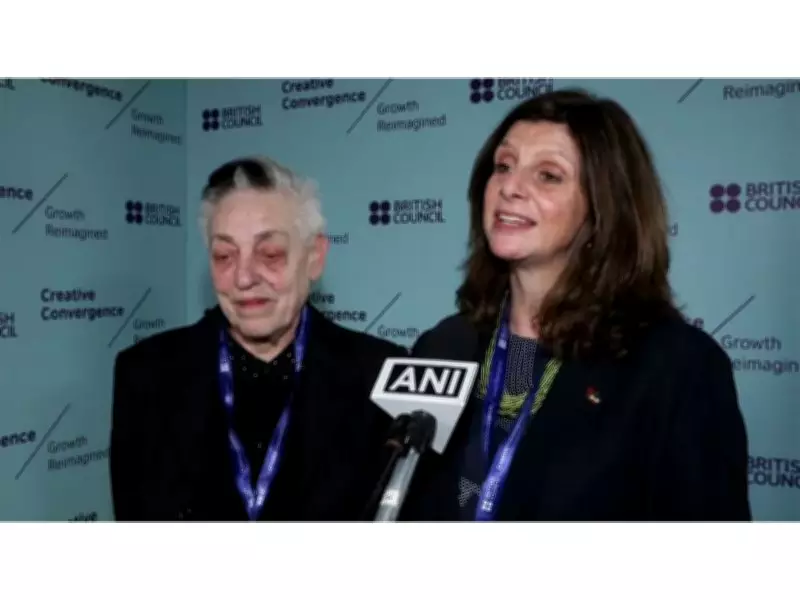
British Council Director Emphasizes Major Opportunity for India-UK Creative Industry Collaboration
Alison Barrett, the Country Director of the British Council in India, has underscored a substantial and promising opportunity for educational and cultural institutions from India and the United Kingdom to join forces in nurturing talent for the creative industries. This collaboration aims to leverage the strengths of both nations to foster innovation, skill development, and economic growth in sectors such as arts, design, media, and technology.
Building a Robust Talent Pipeline
The creative industries, encompassing fields like film, music, fashion, gaming, and digital arts, are rapidly evolving and becoming increasingly significant contributors to global economies. Barrett pointed out that by collaborating, Indian and UK institutions can create a robust talent pipeline that addresses the growing demand for skilled professionals in these sectors. This partnership could involve joint research projects, student exchange programs, and curriculum development tailored to the needs of the modern creative economy.
Key areas of focus include:

- Enhancing digital skills to keep pace with technological advancements.
- Promoting cultural exchange to inspire creativity and cross-cultural understanding.
- Supporting entrepreneurship in creative fields to drive innovation and job creation.
Mutual Benefits and Global Impact
Barrett highlighted that such collaborations are not only beneficial for India and the UK but also have the potential to make a positive impact on the global creative landscape. By pooling resources and expertise, institutions can develop cutting-edge programs that prepare students for successful careers in an interconnected world. This initiative aligns with broader efforts to strengthen bilateral ties and promote soft power through cultural diplomacy.
The British Council, as a key facilitator, aims to bridge gaps and create platforms for dialogue and partnership between the two countries. This move is expected to open up new avenues for artistic expression, commercial ventures, and sustainable development in the creative sectors.
Future Prospects and Strategic Initiatives
Looking ahead, Barrett expressed optimism about the potential for long-term partnerships that could transform the creative industries in both nations. Strategic initiatives may include:
- Establishing joint centers of excellence in creative arts and technology.
- Launching mentorship programs connecting industry leaders with emerging talent.
- Organizing festivals and exhibitions to showcase collaborative works and foster community engagement.
This emphasis on collaboration comes at a time when the creative economy is gaining recognition as a vital component of national development strategies. By investing in talent building, India and the UK can position themselves as leaders in the global creative market, driving innovation and cultural enrichment for years to come.






