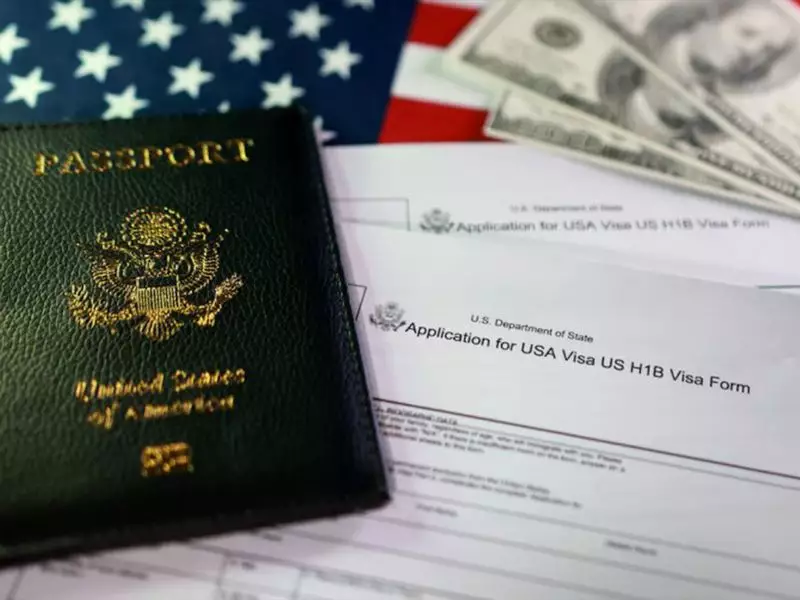
Dozens of Indian professionals working in the United States on H-1B visas find themselves in a distressing limbo, stranded in their home country after what was supposed to be a routine trip to renew their work permits. Their planned short visits have turned into an indefinite, anxiety-ridden wait due to massive delays in securing visa interview appointments at US consulates in India.
The Plan That Backfired: Seeking Renewals in India
These individuals, many employed in the critical technology sector in the US, followed a common practice. They flew back to India to apply for a fresh H-1B visa stamp—a mandatory step for re-entry after their initial visa stamp expired, even if their underlying petition remained valid. The strategy, known as a "dropbox" or interview waiver for some eligible applicants, is typically seen as a faster alternative to renewing within the US. However, the system has ground to a halt.
The core of the problem lies in the extreme backlog for visa interview slots at US diplomatic missions across India. Applicants report that the earliest available appointments are months away, often stretching into late 2024 or even 2025. This has created a perfect storm: professionals are stuck in India, unable to return to their jobs, homes, and lives in America, while their employers in the US are left with crucial roles unfilled.

Mounting Personal and Professional Crisis
The consequences for the stranded workers are severe and multi-faceted. On the professional front, extended unpaid leave is a common reality, placing immense financial strain on individuals and their families. There is a palpable fear of eventually losing their jobs if the absence prolongs, despite the situation being outside their control. The mental toll is significant, with anxiety over an uncertain future becoming a constant companion.
From an employer's perspective, this logjam disrupts project timelines and team dynamics, especially in sectors like IT and engineering where Indian talent on H-1B visas plays a substantial role. The situation also highlights the broader, systemic delays plaguing the US visa apparatus in India, affecting not just H-1B applicants but also students, tourists, and other visa categories.
A Glimmer of Hope and Continued Uncertainty
In response to the growing crisis, the US Embassy and Consulates in India have acknowledged the delays. They have urged applicants to continuously check the official website for last-minute appointment cancellations that might free up earlier slots. They have also reiterated that applicants should not rely on third-party agents who promise expedited appointments for a fee, as the official portal is the only legitimate channel.
However, this advice offers little solace to those already caught in the web. Many had booked return flights to the US assuming the process would be swift and are now facing the costly ordeal of rescheduling travel indefinitely. The episode serves as a stark warning to other H-1B holders considering a renewal trip to India, urging them to factor in the possibility of extreme delays.
The standstill underscores the fragile nature of immigration pathways for skilled workers. It calls for a more efficient and predictable visa renewal process to prevent talent from being caught in bureaucratic crossfires, which ultimately hurts both the individuals and the US industries that depend on their expertise.