Indian Medical Students in Iran Face Critical Exam Dilemma Amid Rising Tensions
With escalating tensions in Iran creating an atmosphere of uncertainty, hundreds of Indian students pursuing medical education in Iranian universities find themselves in a precarious situation. The majority of these students hail from Jammu and Kashmir, and they are now urgently seeking government assistance to navigate a complex academic and safety dilemma.
The March Exam Hurdle Preventing Safe Return
The core issue revolves around crucial examinations scheduled for March 2026. Iranian universities have not announced any postponements or alternative arrangements for these exams, which are mandatory for academic progression. This leaves students torn between two difficult choices: staying to complete their exams amidst growing unrest or returning to India and risking the loss of an entire academic year.
Student Bilal Bhat conveyed the mounting anxiety to ANI, stating, "The uncertainty is overwhelming for both students and our families back home. While flights are still operational and daily life appears normal on the surface, the underlying tension and the exam schedule create a constant state of worry."

Formal Appeal to the Indian Government
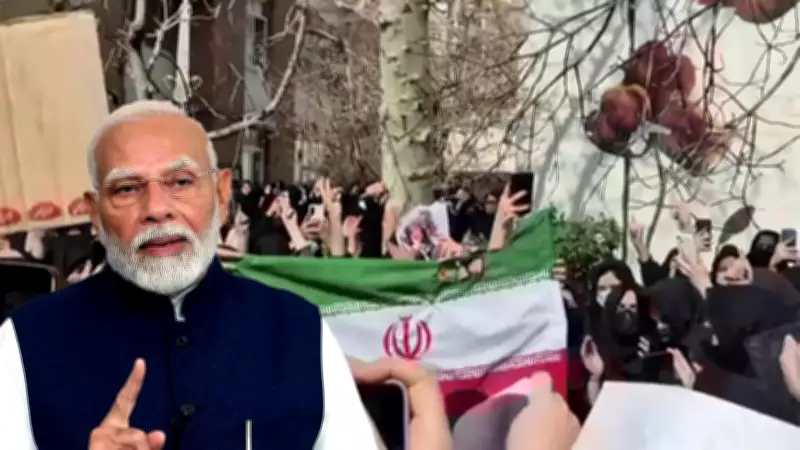
In response to this crisis, the All India Medical Students Association (AIMSA) has taken formal action. The association has written a detailed letter to Prime Minister Narendra Modi, urging immediate diplomatic engagement with Iranian authorities and university administrations.
The primary request is for the Indian government to facilitate a solution that allows students to return safely to India without incurring academic penalties. This could involve negotiating exam postponements, arranging for online assessments, or creating special provisions for affected students.
Broader Implications and Student Concerns
The situation highlights several critical issues:
- Academic Integrity vs. Personal Safety: Students are forced to weigh their educational investments against potential security risks.
- Financial and Emotional Strain: Many families have invested significantly in these overseas medical programs, adding to the pressure.
- Diplomatic Channels: The incident tests the responsiveness of Indian diplomatic missions in assisting citizens abroad during times of regional instability.
Despite the availability of commercial flights, the rigid academic calendar and lack of clear communication from universities have compounded the students' distress. The community awaits a coordinated response from Indian authorities to resolve this urgent matter, ensuring both the safety and academic futures of its students in Iran.