International tensions have flared once again as Iran issued a sharp and defiant response to former US President Donald Trump's recent threat concerning Tehran's nuclear activities. The exchange, which took place in the final days of 2025, has reignited fears of a major diplomatic confrontation and cast a shadow over the already fragile efforts to revive the 2015 nuclear deal.
Trump's Provocation and Iran's Firm Rebuttal
The latest chapter in the long-standing US-Iran conflict was triggered by a statement from Donald Trump. The former president, who unilaterally withdrew the United States from the Joint Comprehensive Plan of Action (JCPOA) in 2018, issued a stark warning. He threatened that any attempt by Iran to revive its nuclear programme would be met with "severe consequences" from the United States.
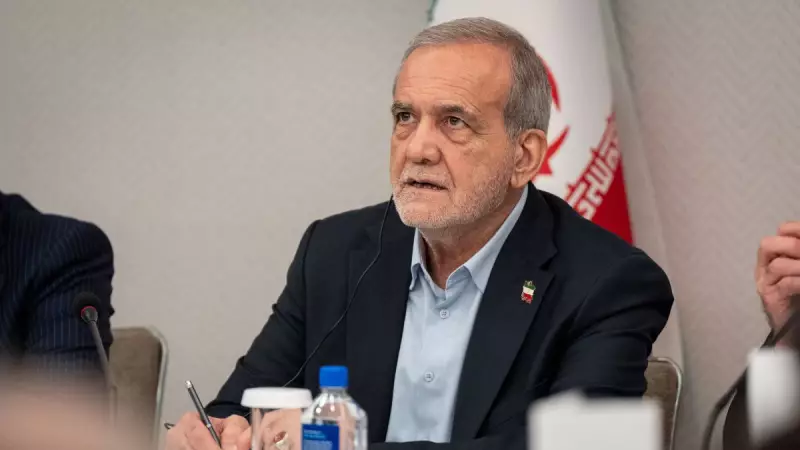
Iran did not take long to answer. The response was delivered by Mohammad Jamshidi, the Vice President for Parliamentary Affairs. Jamshidi's statement was unequivocal and assertive. He declared that Iran's nuclear programme is a matter of national sovereignty and is pursued entirely for peaceful purposes. He emphasised that the Islamic Republic would not be swayed or intimidated by external threats from any foreign power, including the United States.

Escalating Rhetoric and Regional Implications
This war of words marks a significant escalation in rhetoric at a critically sensitive time. The international community, led by European powers, has been engaged in painstaking negotiations to bring both the US and Iran back into full compliance with the JCPOA. Trump's re-emergence on this issue and Iran's hardened stance threaten to derail these delicate diplomatic processes.
Analysts point out that such public threats and counter-threats create a dangerous cycle of provocation. They reduce the political space for compromise and increase the risk of miscalculation. The situation is further complicated by the ongoing regional dynamics, where Iran's influence and its nuclear capabilities remain a central concern for Israel and several Arab states.
A Precarious Path Forward
The core of the dispute remains unchanged: Iran insists on its right to develop nuclear energy for civilian use under the terms of the Nuclear Non-Proliferation Treaty (NPT), while the US and its allies fear the programme could be a covert path to developing nuclear weapons. The JCPOA was designed to place verifiable limits on Iran's activities in exchange for sanctions relief.
With the December 31, 2025 dateline now passed, the incident underscores the persistent volatility of the issue. The exchange between Trump and Iranian officials suggests that regardless of which administration is in power in Washington, the fundamental distrust between the two nations persists. The path forward appears fraught with challenges, as hardline positions on both sides make the revival of meaningful dialogue increasingly difficult.
The international community now watches with apprehension, hoping that the heated rhetoric does not translate into concrete actions that could push the region toward a new and dangerous crisis. The stability of the Middle East may once again hinge on the fate of Iran's nuclear dossier.