In a bizarre twist that highlights the digital age's unique warning signs, a late-night surge in pizza orders near the Pentagon served as an unofficial alert for a major US military operation in Venezuela. As the world grappled with news of explosions in Caracas, keen-eyed internet users had already connected the dots, thanks to an unusual spike in activity at a pizzeria close to the US defence headquarters.
The Midnight Pizza Alert
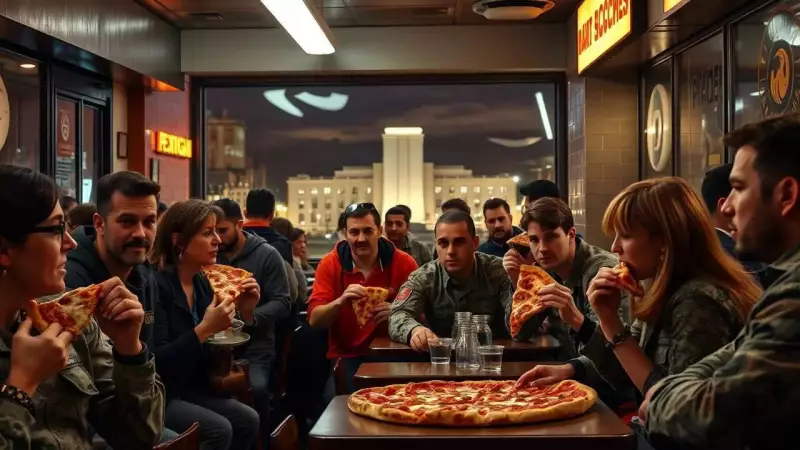
In the early hours of Saturday, Pizzato Pizza, a popular late-night joint in Arlington, Virginia, suddenly experienced an unexpected rush. The spike began sharply at 2:04 AM Eastern Time, as noted by a specialised social media account called Pentagon Pizza Report, which monitors food traffic around the military complex. This was not a brief flurry. The outlet remained unusually busy for nearly ninety minutes before activity dropped off completely. By 3:44 AM ET, the pizzeria had returned to "essentially zero traffic," signaling that the mysterious mission, or at least the hunger that accompanied it, was over.
From Pepperoni to Politics: The Caracas Connection
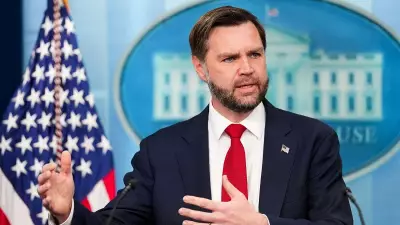
Hours after the pizza boxes were stacked high, the reason for the nocturnal activity became clear. US President Donald Trump confirmed on Truth Social that the United States had executed a "large-scale strike" against Venezuela. He claimed that Venezuelan President Nicolás Maduro and his wife, Cilia Flores, had been "captured" and "flown out of the country." Trump stated the operation was conducted with U.S. Law Enforcement and promised more details at a press conference scheduled for 11 AM at Mar-a-Lago.

Residents in Caracas had reported loud explosions around 2 AM local time, coinciding with the Pentagon-area pizza rush. Circulating videos showed fires in parts of the city, and a power outage was reported near a major military base in the south. This strike marks Washington's first direct military intervention in Latin America since the 1989 invasion of Panama to remove Manuel Noriega, adding significant historical weight to the event.
A Pattern of Food and Geopolitics
This is not an isolated incident. Food outlets near the Pentagon have previously acted as informal alarm bells. Last June, a similar late-night rush at fast-food restaurants occurred when Israel was preparing for airstrikes on Iran under Operation Lion. The pattern suggests that when high-stakes, overtime work happens at the defence headquarters, comfort food orders follow closely behind.
Venezuela's government responded swiftly to the attack, declaring a national emergency and condemning what it called a "serious act of military aggression." President Trump has long accused Maduro of running a drug cartel and had previously hinted at consequences, stating last month, "If he plays tough, it'll be the last time he's ever able to play tough."
The episode underscores how in today's hyper-connected world, the first clues to global seismic events may not emerge from official channels but from the mundane patterns of everyday life—like a sudden, unexplained demand for pizza in the dead of night near the heart of US military power.