In a dramatic pre-dawn operation that has reshaped the geopolitical landscape of Latin America, US forces captured Venezuelan leader Nicolás Maduro on January 3, 2026. The military action, which involved strikes on key Venezuelan installations, has ended the authoritarian rule of chavismo but opened a complex chapter for the nation's future.
The Dawn Raid and Arrest
The skies over Caracas illuminated early Saturday as the United States military targeted Venezuelan air defenses and critical infrastructure. The operation successfully neutralised military assets including Fort Tiuna, La Carlota military airport, and communication towers. US special forces then moved in on Maduro's compound, where reports indicate his Cuban guards were killed or injured during the confrontation.
At 4:21 a.m., President Donald Trump announced on social media that Maduro and his wife, Cilia Flores, had been arrested and removed from the country. An image quickly circulated showing a subdued Maduro in a track suit and handcuffs under US custody. Secretary of State Marco Rubio later revealed that Maduro had been offered a peaceful exit but refused, forcing the US president's hand.

Global Reactions and Domestic Silence
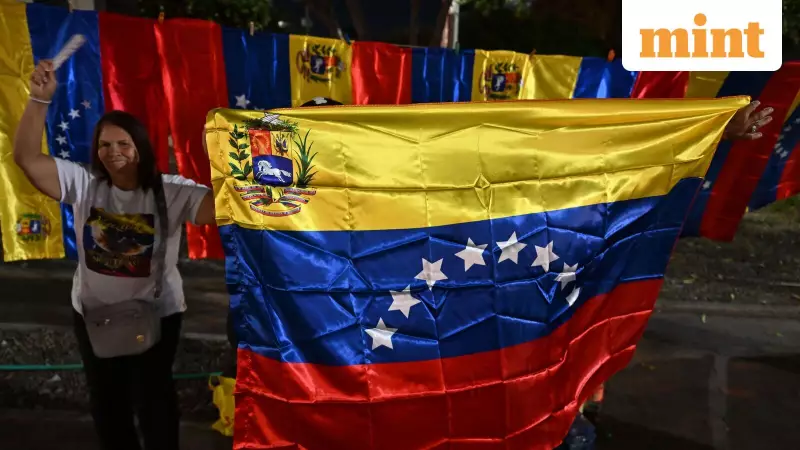
The capture triggered immediate and fierce reactions from several quarters. Colombian President Gustavo Petro, Brazilian leader Luiz Inácio "Lula" da Silva, the Communist regime in Havana, and some US congressional Democrats condemned the deposition of a sitting leader. Meanwhile, Venezuelan expatriate communities worldwide erupted in celebration, sensing a potential return to democracy after a quarter-century of authoritarian rule.
Back in Caracas, an eerie quiet descended on Saturday afternoon. The democratic opposition, led by Nobel Prize Winner María Corina Machado, adopted a cautious wait-and-see approach. While the regime's head was removed, remnants loyal to Maduro, like Interior Minister Diosdado Cabello, attempted to rally resistance from hiding, with little initial public response.
The Path Forward: Transition and Challenges
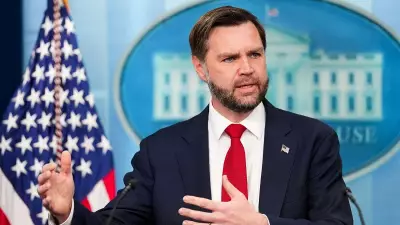
At a press conference in Mar-a-Lago, President Trump outlined the immediate future, stating the US would "run the country" to ensure a safe and proper transition. This unexpected declaration leaves many questions unanswered, as the current US military presence is insufficient for nationwide law enforcement.
Attention now turns to Delcy Rodríguez, Maduro's second-in-command, who has reportedly been sworn in as the new leader. The Trump administration is pressuring her to negotiate a peaceful transition. A critical part of this plan involves persuading Defense Minister Vladimir Padrino and the military brass to switch sides, avoiding the mistakes of de-Baathification seen in Iraq.
Maduro and Flores face prosecution in the US, with charges of drug-trafficking pending in the Southern District of New York. For other regime figures, cooperation with the transition could be a path to avoiding a similar fate. President Trump hinted that a second phase of intervention remains possible if needed.
The opposition, remembering the overwhelming 70% vote for candidate Edmundo Gonzalez in the July 2024 presidential election, believes the mandate for democracy is clear. However, they have hesitated to call supporters into the streets, fearing violence from Cabello's loyalists. The military's notable lack of mobilization in the capital raises questions about its willingness to defend the old regime.
As the world watches, the focus is on whether US leadership can guide Venezuela from captured dictatorship to a stable, democratic future. The operation may be over, but the harder work of rebuilding a nation has just begun.