A powerful winter storm sweeping across the United States has thrown air travel into chaos, leading to massive disruptions for thousands of passengers. The severe weather conditions, particularly impacting the Northeast, have resulted in a cascade of flight cancellations and delays, stranding travelers and overwhelming major airport hubs.
Widespread Cancellations and Airport Gridlock
According to data from the flight tracking website FlightAware, the storm's impact was severe on a single day, with over 1,300 flight cancellations reported nationwide. The disruptions were not limited to grounded planes; more than 7,800 flights faced delays, creating a ripple effect of logistical nightmares for airlines and passengers alike. The situation at key airports was especially dire.
Boston's Logan International Airport emerged as one of the hardest-hit facilities. The airport saw a staggering 20% of all departing flights cancelled, while a significant 30% of inbound flights never arrived. New York's major airports, including LaGuardia and Newark Liberty International, also experienced substantial operational challenges, contributing to the national travel snarl.

Storm System and Weather Warnings
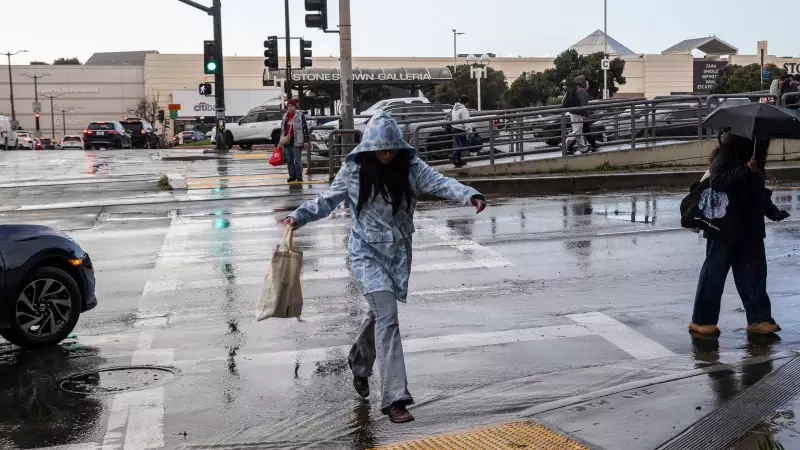
The travel chaos was triggered by a formidable winter storm system that moved from the southern plains toward the US Northeast. The National Weather Service issued a series of warnings for the region, forecasting a dangerous mix of precipitation. Areas were bracing for heavy snowfall, with some regions expecting accumulations of up to two inches per hour. Meanwhile, other zones were under threat of significant ice accumulation from freezing rain, creating hazardous conditions for both air and ground transportation.
Major metropolitan areas, including New York City and Boston, were under winter weather advisories. The storm's wide reach meant that disruptions were felt across a broad swath of the country, not just at the final destination. Flights originating from or connecting through other US regions were also affected as airlines adjusted their networks to the unfolding situation.
Passenger Impact and Airline Response
For passengers, the storm translated into a day of frustration and uncertainty. Airports were filled with long lines at customer service desks as travelers scrambled to rebook cancelled journeys. Social media platforms were flooded with images and stories of stranded passengers and crowded terminals. Airlines, including major carriers like American, Delta, United, and JetBlue, proactively issued travel waivers for affected airports, allowing passengers to reschedule without change fees.
The extensive flight delays and cancellations highlight the vulnerability of modern air travel networks to extreme weather events. Even after the storm passes, the recovery process is expected to take time, as aircraft and crews are repositioned. The incident serves as a stark reminder for travelers, especially during the winter season, to check their flight status frequently, consider travel insurance, and stay in close contact with their airline for real-time updates during major weather events.