Melania Documentary Faces Intense Scrutiny Over Allegations of Military Pressure
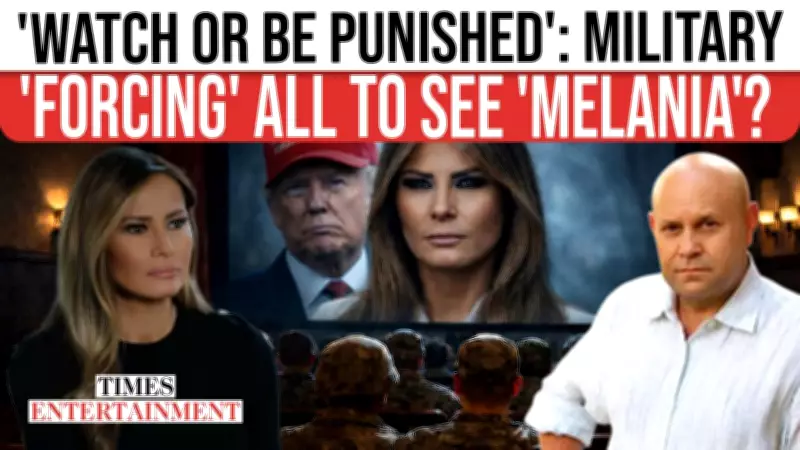
The recently released documentary Melania, a high-profile production chronicling former First Lady Melania Trump's 2025 presidential inauguration and return to the White House, is embroiled in a significant controversy. According to reports, the Military Religious Freedom Foundation (MRFF) has made serious allegations that active-duty U.S. service members were pressured by commanding officers to attend screenings of the film. This claim has ignited a firestorm of criticism and raised ethical questions about the intersection of military protocol and entertainment promotion.
Details of the Allegations and Film's Background
Produced by Brett Ratner and distributed by Amazon, the $75 million documentary opened in theaters on January 30, 2026. Despite its substantial budget, the film has generated only $7 million in ticket sales, with many reports highlighting low theater attendance and predominantly negative reviews from critics. The MRFF's allegations suggest that military personnel may have been compelled to view the film as part of organized screenings, potentially blurring lines between official duties and private entertainment consumption.
Broader Implications and Industry Context
This incident underscores ongoing debates about the role of media in military environments and the ethical boundaries of film promotion. The controversy comes at a time when documentaries and political films are increasingly scrutinized for their potential influence on public perception and institutional integrity. The MRFF, known for advocating religious freedom within the armed forces, has positioned this as a case of possible coercion, calling for transparency and accountability in how such content is presented to service members.

As the story develops, it raises critical questions about the responsibilities of filmmakers, distributors, and military leadership in ensuring that entertainment does not impinge on the voluntary nature of cultural participation among troops. The backlash against Melania highlights the delicate balance between artistic expression and respect for institutional norms within sensitive sectors like the military.