

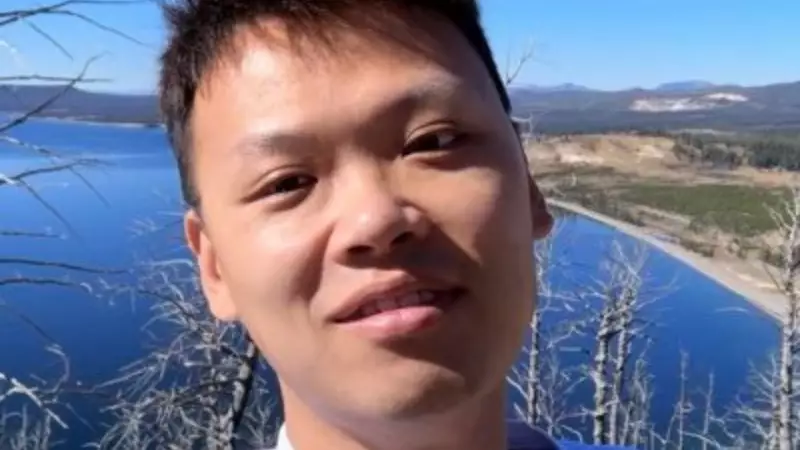
Meta AI Researcher's US Exit After Visa Stamp Denial Ignites Brain Drain Fears
In a development highlighting growing tensions around US immigration policies for skilled professionals, Meta Platforms Inc. machine learning research scientist Zifan Wang has announced his forced departure from the United States. The scientist revealed on social media platform X that his application for an O-1 visa stamp for re-entry was denied after a recent trip to China, making his immediate return to America impossible.
"Unexpected and Crazy" Visa Denial After Seven Years in America
Zifan Wang, who has spent approximately seven years in the United States combining his academic studies and professional work, expressed shock at the immigration decision. "When I visited my family and friends in China last month, my O1 visa stamp for re-entrance was denied so it is not possible for me to return US immediately after my trip, which was unexpected and crazy," Wang posted publicly.
The researcher holds a PhD in Electrical and Computer Engineering from the prestigious Carnegie Mellon University and has accumulated an impressive 6,900 academic research citations. His work at Meta focuses on advanced machine learning research, placing him among the top-tier AI talent globally.

Washington Thinktank Founder Warns of Self-Inflicted Brain Drain
The incident has drawn significant attention from policy experts, with Alec Stapp, co-founder of the Washington DC-based thinktank Institute for Progress, calling it a clear case of "brain draining ourselves." Stapp highlighted Wang's substantial academic credentials and professional standing, questioning the wisdom of immigration policies that force such highly skilled individuals to leave the country.
"Moving from the US to the UK because we denied his visa re-entry. We are brain draining ourselves," Stapp emphasized, pointing to the broader implications for American technological competitiveness when researchers of Wang's caliber face immigration barriers.
The O-1 "Einstein Visa": Beyond the H-1B Debate
While much of the American immigration conversation focuses on H-1B visas and debates about foreign labor in tech industries, the O-1 visa represents a different category entirely. Often nicknamed the "Einstein visa," this classification is reserved for individuals demonstrating extraordinary ability or achievement in fields including science, education, business, athletics, arts, and television.
The O-1 designation theoretically rises above claims about hiring cheaper foreign labor, as it specifically targets elite professionals with exceptional qualifications. However, Wang's case demonstrates that even this prestigious visa category offers no guarantee against administrative hurdles and policy shifts.
Mixed Reactions and Broader Immigration Context
The announcement has generated diverse reactions across social media and policy circles. Some commentators have suggested possible administrative errors in Wang's paperwork, while others have framed the issue within broader geopolitical tensions, particularly regarding Chinese nationals working in sensitive AI research fields within the United States.
This incident occurs against a backdrop of increasingly complex US immigration policies, where reports of visa approvals for content creators in certain industries sometimes contrast sharply with challenges faced by research scientists. The Trump administration's historically tough stance on immigration continues to influence current policy implementation, creating uncertainty for foreign professionals who have built careers and lives in America.
As skilled immigrants like Wang reconsider their American futures, the debate intensifies about whether current immigration approaches inadvertently undermine US technological leadership by pushing top global talent to competitor nations like the United Kingdom, where Wang is reportedly relocating.






