

Multiple flashpoints across the United States and on the global stage erupted into violence and diplomatic confrontations, painting a picture of a nation grappling with internal strife and external pressure. The most visceral unrest unfolded in Minneapolis, where the killing of an American woman by an Immigration and Customs Enforcement (ICE) agent triggered massive protests and attacks on vehicles.
Urban Unrest: Minneapolis Explodes After Fatal ICE Encounter
The city of Minneapolis was plunged into chaos following a shocking incident where an ICE agent shot and killed a woman during an operation. Eyewitness accounts and viral videos captured the agent's aggressive commands, including shouts of "GET THE F**K OUT!" before the fatal shooting. The event served as a immediate catalyst for public fury.
Enraged protesters took to the streets, directing their anger at symbols of authority. ICE vehicles were targeted and attacked as demonstrations rapidly grew in size and intensity. The situation highlights the deep-seated tensions surrounding immigration enforcement actions within American communities, leading to a dangerous standoff between law enforcement and citizens.

Global Chessboard: US Captures Ships and Senators Break Ranks
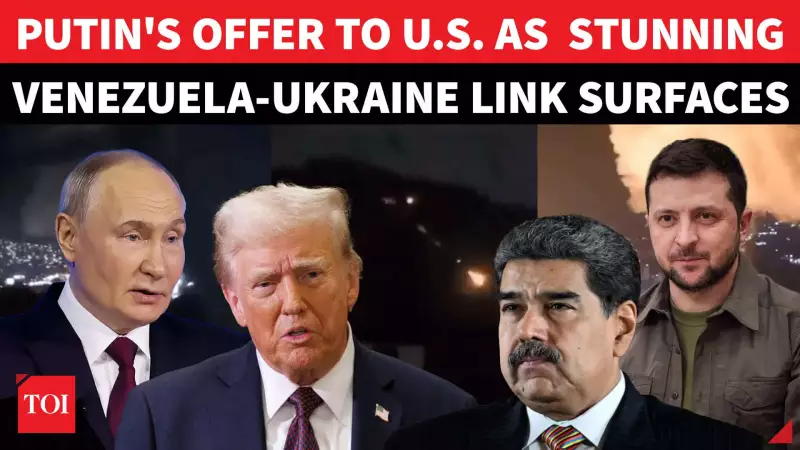
On the international front, the United States military made a bold move by capturing a second ship linked to Venezuela, following a previous seizure of a Russian oil tanker. The Pentagon confirmed the strike, a clear escalation in the pressure campaign against the Venezuelan government. This action reportedly prompted an angry reaction from Russian President Vladimir Putin, whose interests are tied to the region.
Amidst these maneuvers, political fissures appeared within the US. Senator John Kennedy broke ranks with former President Donald Trump, delivering a shock speech concerning the potential invasion or capture of Greenland. He expressed strong reservations about the strategic and diplomatic implications of such a move. Meanwhile, Trump spokesperson Karoline Leavitt disclosed what she termed Trump's 'final' plan involving rushing US troops to the Arctic territory, a revelation that has stirred significant debate.
In the Senate, Marco Rubio confronted Democratic leader Chuck Schumer, demanding answers and presenting a big gameplan on Venezuela as Democrats decried any talk of invasion. Rubio insisted the public needs answers on the administration's strategy.
International Fallout and Warnings
The ripple effects of US actions were felt worldwide. In Los Angeles, protests took an international turn when demonstrators, drawing parallels between global authoritarian regimes, attacked the Chinese Consulate. Their chants of "Today Maduro, Tomorrow Xi!" linked Venezuela's leader to China's, indicating a broadening of protest targets. Separately, Iran's Supreme Leader Khamenei was reported to have imported 800 Iraqi gunmen to suppress ongoing internal revolts, a move that drew sharp criticism from Trump.
From Europe, a stark warning emerged. Former EU foreign policy chief Josep Borrell declared that "Europe Can't Count On America Anymore," urging European leaders like Ursula von der Leyen to "WAKE UP!" This statement underscores a significant shift in transatlantic relations and growing European anxiety over US foreign policy unpredictability.
These concurrent crises—from street-level violence in American cities to high-stakes naval seizures and stark geopolitical warnings—illustrate a period of profound instability. The events challenge domestic law enforcement protocols, test international alliances, and reveal deep political divisions on how America projects its power both at home and abroad.






