

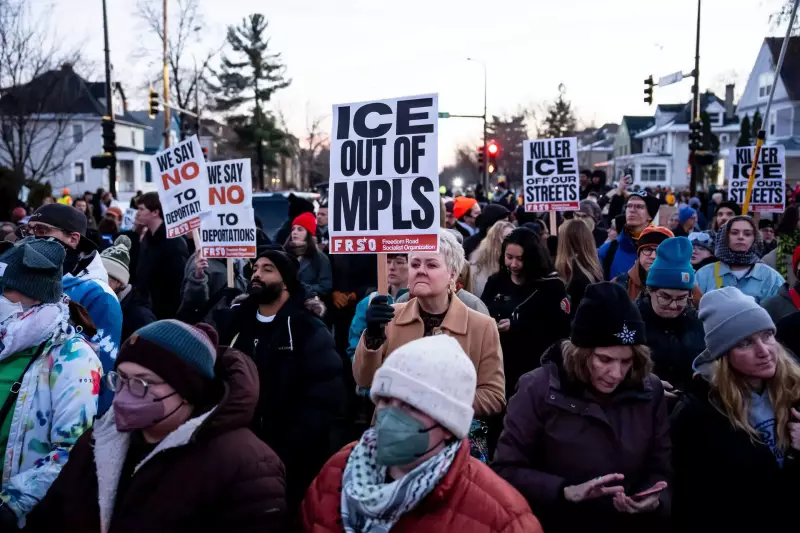
Public schools in Minneapolis have announced an immediate closure until the end of the week. This drastic safety measure comes in the wake of a tense confrontation involving U.S. Border Patrol agents, students, and staff near Roosevelt High School. The incident, coupled with the fatal shooting of a 37-year-old mother by an immigration officer earlier the same day, has plunged the school community into a state of fear and uncertainty.
Chaos and Closure: The Roosevelt High School Incident
The decision to shut down schools followed reports of significant disturbance outside Roosevelt High School on January 7. According to witnesses and local media, federal immigration agents were conducting detentions in the vicinity of the campus. Several students and school staff reported being caught in the ensuing chaos. Parents described a scene of panic, especially among students already distressed by the news of a shooting that morning.
The victim of that shooting, Renee Nicole Good, was killed after dropping her six-year-old child at school. She encountered immigration officers on a city street. While online video shows agents approaching her vehicle, accounts of what transpired differ. The Department of Homeland Security (DHS) stated an agent fired in self-defence, a version strongly disputed by community members. DHS also denied using tear gas near the school, asserting agents responded to a violent situation involving a vehicle.

Community in Crisis: Fear Grips Students and Families
The events have profoundly disrupted the learning environment. Students at Roosevelt High School said the turmoil severely impacted their ability to focus. One senior student told reporters her primary worry was for classmates and teachers from immigrant families. Parents echoed this sentiment, noting children returned home deeply distressed by the dual trauma of the shooting and the enforcement activity near their school.
The fear extended beyond the immediate campus. Faith leaders and community organizers reported parents were afraid to drop off or pick up their children, concerned that teenagers might be mistaken for adults by enforcement officers. Some families have stopped their children from traveling alone or using public transport.
Wider Educational Impact and Official Response
The ripple effects were felt across the district. Several schools with large immigrant populations advised families to keep children home. Absenteeism rose sharply as safety concerns kept many students away. Some charter schools serving immigrant communities temporarily closed, while others altered transportation plans to avoid public buses.
In classrooms that remained open, teachers reported a tense atmosphere, with some beginning lessons with calming exercises. There were also troubling reports of increased bullying, particularly targeting Somali students.
Minnesota Governor Tim Walz, a former teacher, publicly supported the school district's decision to close. He strongly criticized the presence of federal immigration agents near school campuses, warning that schools must not become sites for enforcement actions. He emphasized that such conflicts risk serious consequences for children and undermine the essential learning environment.
The Minneapolis Public Schools (MPS) district will initiate temporary online learning starting next week, continuing until February 12. Meanwhile, the community has rallied in support. A fundraising campaign for Renee Nicole Good's family raised over $1 million within days, highlighting the profound local impact of the tragedy.
Education advocates warn that the situation in Minneapolis underscores a national concern: when schools become associated with fear and surveillance, student learning and attendance inevitably suffer.






