In the heart of Minnesota, the small agricultural town of Willmar is facing a moment of profound tension. Its vibrant downtown stretch, known locally as Little Mogadishu, has fallen unusually quiet. This silence stems from a dual crisis: a sweeping federal fraud scandal implicating some Somali individuals and escalating rhetoric from former President Donald Trump, who has labeled Somali immigrants "garbage." Yet, the town's leadership and many residents are mounting a fierce defense, arguing that the Somali community is not a burden but the very backbone of their local economy.
From Surprise to Staple: The Rise of Little Mogadishu
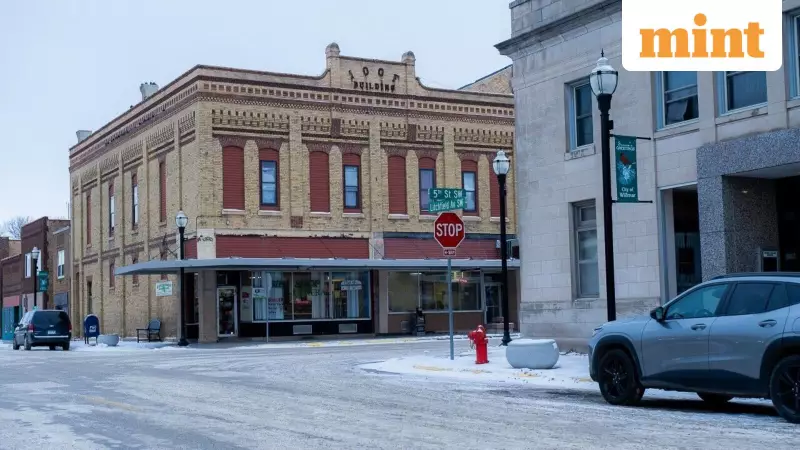
Nearly three decades ago, the sight of Somali children waiting for a school bus in downtown Willmar made resident Pablo Obregon do a double-take. Today, as the town's Director of Community Growth, Obregon is no longer surprised. Somalis now represent a cornerstone of this community of nearly 22,000, located about 95 miles west of Minneapolis. They have transformed a section of downtown with more than a dozen storefront businesses—restaurants, groceries, and clothing stores—creating a bustling commercial hub.
The economic integration is deepest at the Jennie-O turkey plant, owned by Hormel Foods and considered the region's economic engine. Somalis constitute roughly a quarter of the plant's production workforce. Hunter Pagel, the plant's head of human resources, emphasized their irreplaceable role: "We would struggle if we didn't have the team members working on the floor. There's only so much you can automate."

A Scandal and Rhetoric That Sowed Fear
The current anxiety traces back to a sprawling $1 billion fraud scandal that has placed Minnesota's Somali community under a harsh national spotlight. Federal prosecutors allege dozens of people defrauded taxpayers through sham social-services companies. The scandal hit close to home in Willmar when a Minneapolis man pleaded guilty in February to fraud that included using a local restaurant's address to falsely claim he served 1.6 million meals to children during the pandemic.
This case, coupled with ramping up ICE raids in Minnesota and former President Trump's inflammatory comments, has cast a pall over the community. "They are not willing to go to work and not coming outside a lot because of fear," said Abdiweli Yusuf, a 33-year-old Somali-American grocery store owner. Despite the fear, Yusuf, a father of five children born in Willmar, declared, "This is our forever home."
Local Leaders Push Back Against 'Broad Brush'
Willmar's officials are quick to separate the actions of a few from the character of the many. Mayor Doug Reese, a former union official, stated plainly, "I can honestly say I haven't encountered any bad Somalis. I mean, there's probably some, but by and large, they're good people." He and others stress that the fraud scandal is not representative of the broader community.
This defense extends even to some who were initially hesitant about refugee resettlement. Rollie Nissen, a 79-year-old former Republican county board chair who voted in 2019 to pause refugee intake, now drives Somali children to school as a part-time bus driver and counts a Somali among his good friends. He criticizes Trump's approach: "It's a broad brush, I don't think he should be painting with a broad brush. We should get rid of the people who are here illegally, not ship everybody back."
The demographic transformation of Willmar is now a lived reality. City council member and teacher Vicki Davis notes her first-grade class of 22 students has only four white children. "It's fun to see them play together," she said, describing a moment where a Somali girl's hijab fell off and all the girls rushed to help. The potential loss of the Somali population, leaders warn, would be an economic catastrophe. Mayor Reese's first thought is Jennie-O: "They aren't going to have the workers, right? And I don't know where you'd find them." In Willmar, the debate over immigration is not abstract; it is a direct question about the town's survival and the future of its children, who now play together in its integrated schools.