Multiple US Legislative Proposals Target H-1B Visa Program for Elimination
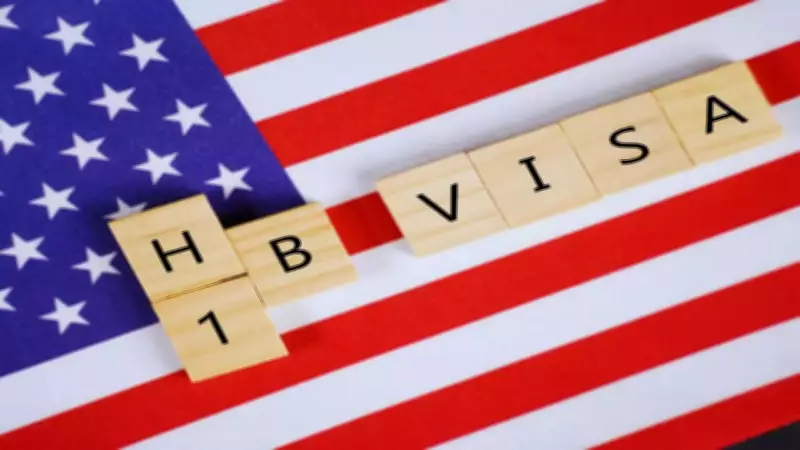
Republican Congressman Greg Steube, representing Florida's 17th Congressional District, has introduced the EXILE Act, the latest in a growing list of legislative efforts aimed at terminating the H-1B visa program. This program allows US companies to hire skilled specialty workers from foreign countries, and it has become a focal point for several lawmakers in recent months.
Steube's EXILE Act Aims to Amend Immigration Law
The EXILE Act, which stands for Ending Exploitative Imported Labor Exemptions, proposes significant changes to the Immigration and Nationality Act. Its primary objective is to end the H-1B visa program by reducing the number of available visas to zero at the start of the financial year 2027. This move is part of a broader trend among US legislators to restrict or eliminate pathways for foreign skilled workers.
Other Notable Bills Targeting H-1B Visas
Several other proposals have emerged, each with distinct approaches but similar goals:

- PAUSE Act: Introduced in November 2025 by Republican Representative Chip Roy of Texas, this bill calls for a freeze on all immigration under the acronym Pausing on Admissions Until Security Ensured. While not exclusively targeting H-1B visas, it specifically proposes terminating the H-1B category and canceling the Optional Practical Training (OPT) program, which permits F-1 students to work in their fields post-graduation.
- H-1B and L-1 Visa Reform Act: Sponsored by Senators Chuck Grassley (R-IA) and Dick Durbin (D-IL) in 2025, this bipartisan bill seeks to toughen eligibility criteria. It mandates that foreign nationals possess a US Bachelor's degree or its foreign equivalent in a specialty directly related to their occupation, aiming to ensure stricter alignment between qualifications and job roles.
- End H-1B Now Act: Proposed in January 2026 by former Congresswoman Marjorie Taylor Greene before her departure from Congress, this act advocates for the complete elimination of the H-1B visa program, with an exemption carved out for medical professionals to address healthcare workforce needs.
Current Status and Political Context
All these legislative proposals are currently in the introduced stage, meaning none have advanced through the House or Senate. Political analysts view them more as symbolic statements rather than viable laws, given the complex nature of immigration reform and the divided political landscape. The H-1B program remains a contentious issue, with debates often centered on its impact on domestic employment and economic competitiveness.
The ongoing discussions highlight a persistent tension in US policy between leveraging global talent and protecting American jobs, with these bills representing the latest efforts to reshape immigration pathways for skilled workers.