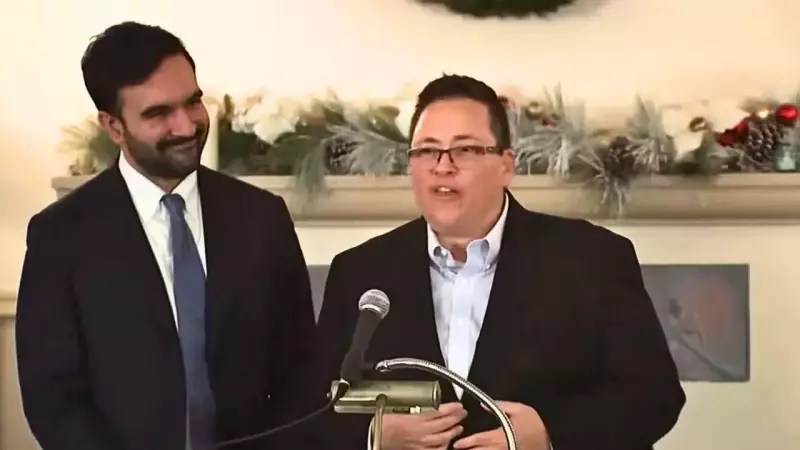
Tesla and SpaceX CEO Elon Musk has ignited a fierce debate on social media, issuing a stark warning that a key appointment by New York City's incoming mayor will compromise public safety and result in fatalities. The controversy surrounds Mayor-elect Zohran Mamdani's decision to appoint Lillian Bonsignore as the next Commissioner of the Fire Department of New York (FDNY).
Musk and Tech Leaders Voice Grave Concerns
In a viral post on X (formerly Twitter), Elon Musk did not mince words. "People will die because of this. Proven experience matters when lives are at stake," he wrote. Musk's core argument is that leading the FDNY requires a background in active firefighting—a qualification the appointee lacks.
Musk was not alone in his criticism. David Sacks, a prominent tech founder, investor, and former AI advisor to President Donald Trump, echoed the sentiment with a terse reply: "Pray for NYC." Their interventions have propelled a local administrative decision into a national conversation about expertise and public safety.

The Heart of the Controversy: Bonsignore's EMS Background
The focal point of the dispute is the professional history of Lillian Bonsignore. She is a 31-year veteran of the FDNY, but her entire career has been built within the department's Emergency Medical Services (EMS) division. Bonsignore started as an Emergency Medical Technician (EMT) in 1991 and climbed the ranks to become Chief of EMS. She notably led operations during the peak of the COVID-19 pandemic before retiring in 2022.
In her defense, Bonsignore has emphasized her deep institutional knowledge. "I know the job. I know what the firefighters need and I can translate that to this Administration who's willing to listen. I know what EMS needs. I have been EMS for 30 plus years," she stated.
A Historic Appointment and a Clash of Perspectives
Mayor-elect Zohran Mamdani has firmly stood by his choice, framing it as a historic milestone, as Bonsignore would be the FDNY's first openly gay commissioner. Supporters of the appointment point to evolving data and the managerial nature of the role.
FDNY statistics reveal a significant shift in emergency response: more than 70 percent of all emergency calls are now handled by EMS units, not fire engines. Proponents argue that the Commissioner's role is primarily a civilian, managerial position focused on budgets, overarching strategy, and inter-agency coordination. They contend that tactical firefighting decisions remain the purview of senior uniformed fire officers.
However, critics, led by Musk, maintain that hands-on firefighting experience is non-negotiable for the top job, especially in a high-stakes department like the FDNY. The clash highlights a fundamental tension between recognizing the growing importance of EMS and the traditional, perilous demands of firefighting leadership.