

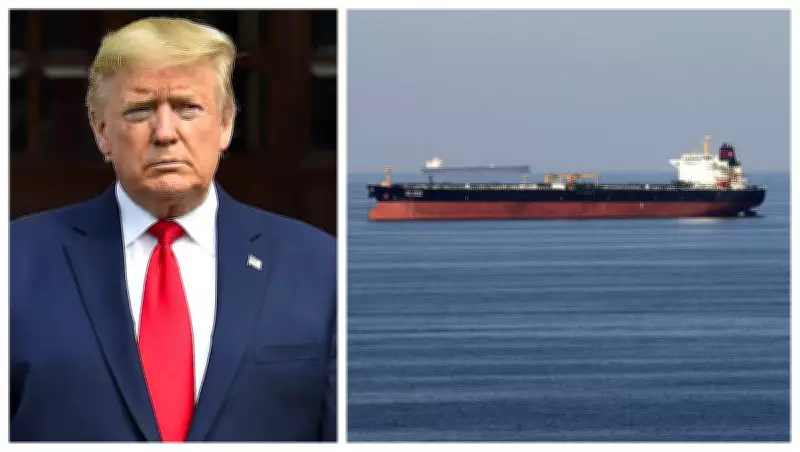
NATO Allies Decline Participation in Trump's Proposed Strait of Hormuz Blockade
In a significant diplomatic development, several key NATO allies have formally refused to join a United States-led naval blockade of the Strait of Hormuz, a proposal recently floated by President Donald Trump. This decision underscores growing divisions within the Western alliance over how to address escalating tensions with Iran in the strategically vital waterway.
Allied Nations Voice Concerns Over Escalation
According to reports, nations including Germany and France have explicitly communicated their reluctance to participate in such a blockade. Officials from these countries have expressed serious concerns that a military-led blockade could dramatically increase the risk of a direct confrontation with Iran, potentially sparking a broader regional conflict. The Strait of Hormuz is a critical chokepoint for global oil shipments, and any military action there carries immense economic and security implications.
German and French leadership have emphasized a preference for diplomatic and de-escalation strategies over military maneuvers. They argue that a blockade could be perceived as an act of aggression, undermining ongoing efforts to salvage the 2015 nuclear deal with Iran and destabilizing an already volatile Middle East.

Background of the Proposal and Regional Tensions
The proposal for a naval blockade emerged amidst heightened US-Iran tensions. Recent months have seen a series of incidents, including attacks on oil tankers and the downing of a US drone, which Washington has blamed on Tehran. President Trump has adopted a policy of "maximum pressure" on Iran, involving severe economic sanctions and a bolstered military presence in the region.
A blockade of the Strait of Hormuz would involve patrolling warships to monitor and potentially restrict maritime traffic, a move Iran has repeatedly warned it would view as a "red line." Iranian officials have threatened retaliatory measures, including disrupting oil flows further, if such action is taken.
Implications for NATO Unity and Global Security
This refusal by European allies highlights a notable rift within NATO regarding Middle East policy. While the United States has sought to rally international support for its hardline stance against Iran, key partners are opting for caution. The divergence raises questions about the alliance's cohesion on security matters beyond the European theater.
Analysts suggest that the allies' decision could compel the US to reconsider its strategy, potentially leaning more on unilateral actions or seeking support from other regional partners. However, operating without broad NATO backing might limit the effectiveness and legitimacy of any US-led initiative in the strait.
The situation remains fluid, with ongoing diplomatic exchanges. The refusal to join the blockade underscores a broader trend where European nations are increasingly asserting independent foreign policies, particularly in matters involving military engagement and relations with Iran.






